Wine friends quietly replace wine influencers in 2026. The shift is not only about what people drink (whether they drink wine at all), but about who they trust, who they watch, and how the message actually reaches them.
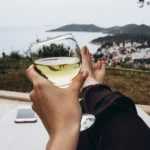
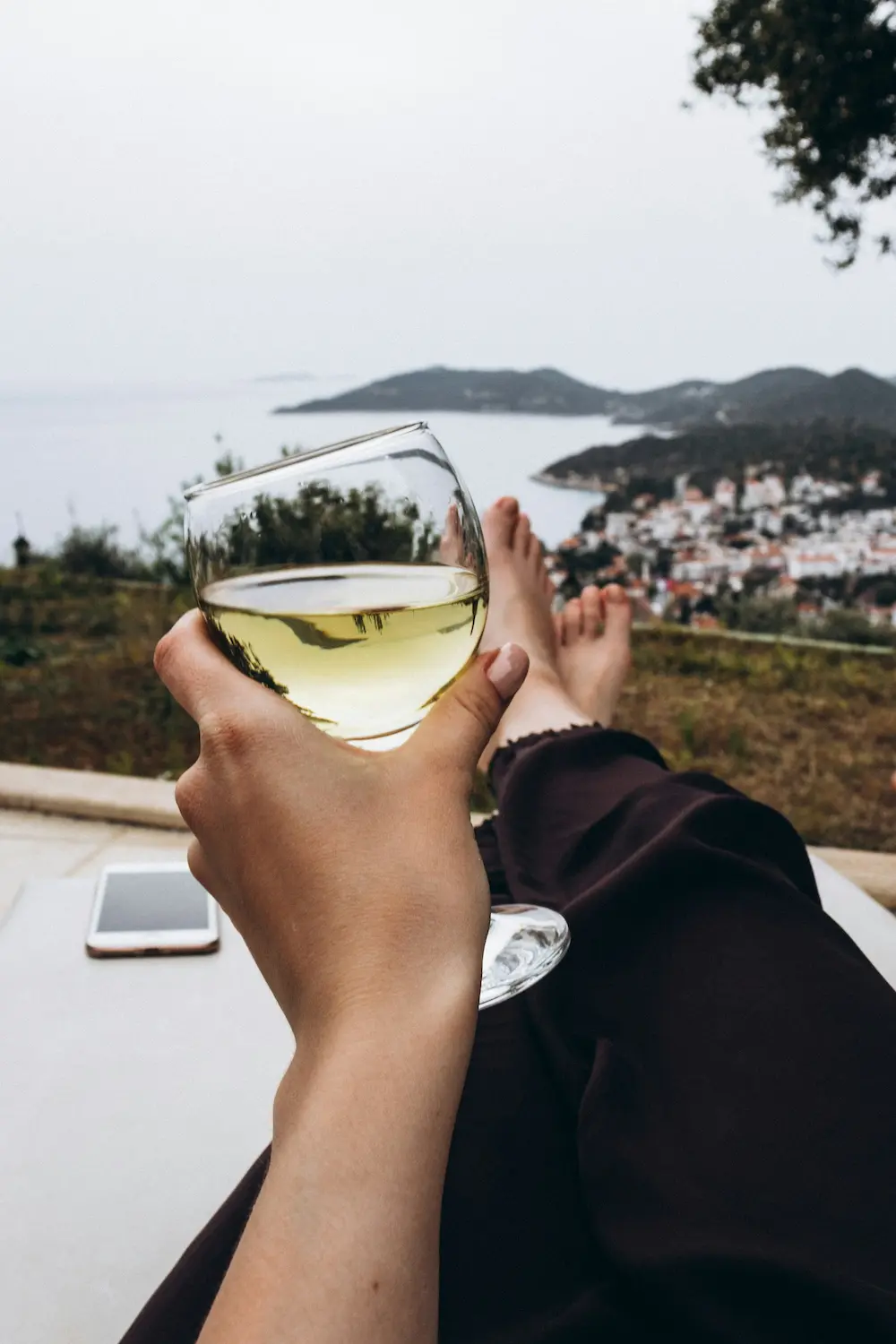
You know the feeling. You open Instagram or TikTok, scroll past another sunset reel with a crystal glass catching the golden light, and you keep scrolling. I have seen that a hundred times, and you have probably seen it even more. It became boring. It tells me nothing. Yes, I like sunsets, golden light and sitting with a glass in hand. But it turned into a cliché.
Then a shaky seven-second clip stops me. Someone in a normal kitchen pulls a cork, sniffs, laughs because half the wine lands on the counter, and says, “Okay, this one is actually good.” I watch until the end.
That tiny moment is the entire 2026 consumer shift in one cork pop.
The Classic Wine Influencer Era Is Quietly Fading?
It certainly looks that way. Between 2020 and 2024 we lived in the age of the perfect pour. Flawless lighting. Designer outfits. Ten-thousand-euro contracts. Hashtags stacked like champagne towers. It worked for a while. Reach was huge. Brands felt safe.
Then something changed.
Comments went from heart-eyes to eye-rolls. Save rates dropped. Stories got skipped. A major 2025 Wine Intelligence survey across eight European markets found that 68 % of 21–35-year-olds now trust traditional wine influencers less than they did two years ago. Two years! The same group said they would rather take a recommendation from “someone who feels real” than from an account with 200 k followers.
The algorithm noticed. You probably noticed too.
Meet the Wine Friends, The Persons You (and Any Wine Consumer) Actually Stop For
A Wine Friend is not a job title. It is a behaviour.
You already follow a few without realising it. They open bottles in yesterday’s T-shirt. They show the label only after they tasted it. They answer almost every comment, even the stupid ones. Their videos rarely last longer than fifteen seconds. They never write #ad because they almost never get paid.
Five things every Wine Friend does today:
1. Films on a phone, never on a cinema camera
2. Shows the mess, the dog hair, the cheap corkscrew
3. Talks to you, not at you
4. Posts when they feel like, not when the brand calendar says
5. Makes you feel you could sit down with them right now and share the bottle
They look and feel real, because they are real. Just like any of us.
Why This Wine Consumer Shift Is Happening Exactly Now
Industry observers and researchers agree that three forces lined up at once.
First, the platforms changed the rules. X, TikTok and Instagram started rewarding watch-time completion over pretty pictures. So that is why a ten-second honest clip now beats a sixty-second cinematic masterpiece.
Second, the audience grew up. The pandemic taught an entire generation that real life happens in kitchens and on balconies, not on yachts. They crave proof that wine belongs there too.
Third, trust collapsed and rebuilt somewhere else. People still want recommendations. But they just want them from humans who feel relatable and reachable.
The Good News for Central European Wineries
You do not need a big budget anymore. You only need a phone, a window with decent light, and the willingness to look a little silly sometimes.
I keep seeing stories like this: a young winemaker in Burgenland posts a nine-second TikTok (“Me trying to open a 2022 Blaufränkisch with a broken corkscrew – send help”) and sells more bottles in two days than a paid influencer campaign did all last spring. A Slovakian producer doubles her wine-club sign-ups just by sharing Sunday-lunch stories with her grandmother tasting the new rosé. And they are the new normal.
Three Patterns That Already Work Beautifully for Capturing New Audiences
1. The “open the bottle with me” series – same kitchen counter, different bottle every week
2. The “one minute with the winemaker” phone call – no script, no cuts, just truth
3. The “wine in real life” shots – bottle next to kids’ drawings on the fridge, bottle on the garden table while the barbecue smokes
None of them cost more than a tram ticket. I watch them because they are real moments with real people, not carefully staged photoshoots. They are still marketing. They still want to sell us something. But now the product suddenly looks available, experiencable, applicable more than ever. They say the same thing – wine is good and life is beautiful – and they say it in a way I can actually believe.
What This Means for Anyone Who Wants to Become a Wine Friend
– You do not need to be perfect. You need to be present.
– Your phone camera is already good enough for 2026.
– People want to feel like friends, not followers.
– The worst that can happen is that your six-second clip about uncorking a bottle doesn’t get many views. So what? There is another bottle, another angle, another day tomorrow.
So here’s to 2026. May we all become the real, authentic voices others actually stop scrolling for.
Raise a glass (any glass) to that.