Slovak wine is having its moment. Quiet, steady, and honestly, it’s full of surprises. You probably think of Slovakia for Bratislava’s old town or the High Tatras. Beer flows freely. The food is unforgettable. The region is almost overwhelmingly historical, with castles, scenic towns, and landscape views that make your heart miss a beat.
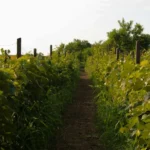
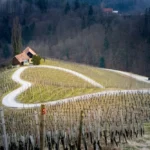
But travel thirty minutes from the capital or take a short train ride, and vineyards appear on gentle hills.
In 2026 it will feel more inviting than ever.
Slovak Wine Is Closer Than You Think
Bratislava sits right in the heart of Europe, and when I say in the heart, I mean it.
Vienna is forty minutes away. Budapest ninety. Prague three hours. Fly into any of them and you are already close.
From Bratislava trains and buses leave often for the Small Carpathians. From Košice you reach eastern vineyards in under two hours. Tickets cost little, and e-bike rental waits at many stations.
You land in a big city, buy a cheap ticket, drink a strong coffee, and soon you chill between vines. No one rushing. No one is busy, so you’re slowing down too. Add a wine day to any city break. Believe me, it fits without stress or restructuring your plans from scratch.
Small Carpathians (Malé Karpaty): The Heart of the Slovak Wine Industry Just Outside Bratislava
The Small Carpathians start almost at Bratislava’s edge.
Rolling hills, old villages, family cellars tucked into slopes. You get an international metropolis with big city vibe, Central-European heritage environment, and a small community feeling that welcomes you like an old friend. All within an hour range.
Veltlínske Zelené, or Grüner Veltliner stays crisp and green. Frankovka Modrá brings spice and red fruit. If you want city sightseeing, culinary exploration, hiking, or trying the local wines with your friends, you’re in the perfect place.
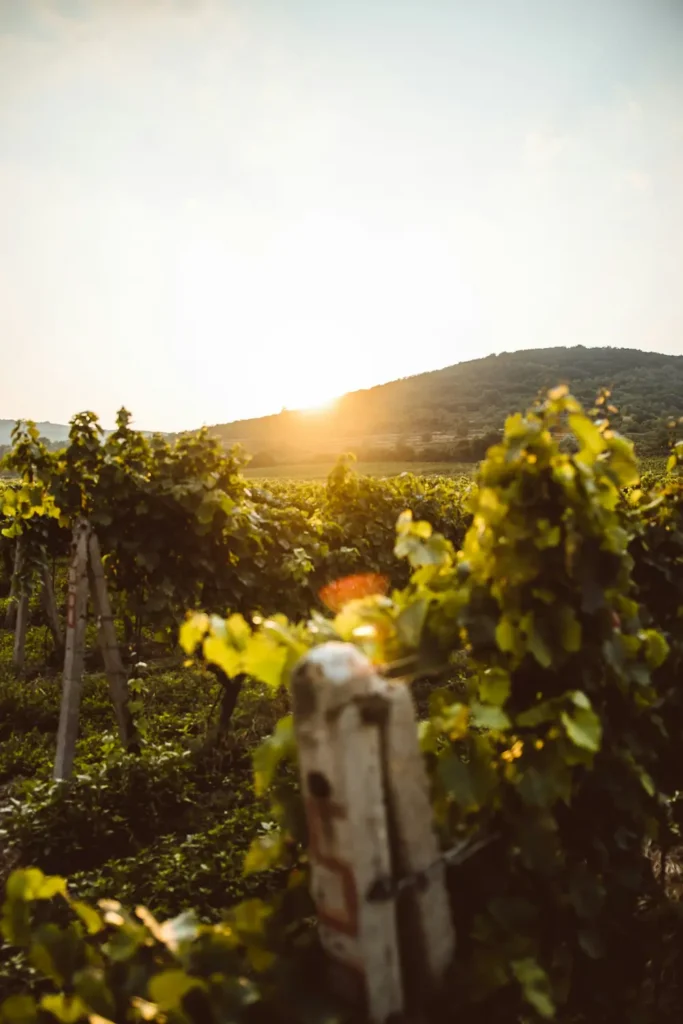
You taste under walnut trees, with mountains on the horizon. The winemakers talk like neighbours, and prices stay friendly. One may ask themselves what if we just moved here and started making wine? Sounds like a peaceful life.
Tokaj, Slovakia: The Shared Slovak Wine Legend on the Border
The name of Tokaj could be familiar from the Hungarian sweet dessert wine, Tokaji. Tokaj is a town in Hungary, but it’s also the name of the subregion that partially lies in Slovakia. Only seven villages in Slovakia carry the Tokaj name, but their wine is as legendary as their Hungarian neighbours’.
The same soil as Hungary. The same history. Different stories. Dry Furmint cuts sharp, but the sweet versions taste of honey and apricot.
You visit small cellars that feel like time capsules. The vines grow on the same hills you see from the Hungarian side.
South Slovakia (Južnoslovenská): Warm Climate Near the Danube? Good, the Slovak Wines Love That
South of Bratislava the land flattens and warms. The Danube flows close, so summers feel almost Mediterranean. Frankovka, Cabernet, and local Dunaj ripen bold and deep.
You taste in modern cellars or old village presses. The air smells of ripe grapes and river breeze. The vibe is unmatchable.
Eastern Slovakia (Východoslovenská): Emerging Cool-Climate Slovak Wine from Around Košice
East of the Tatras the climate cools again. This is the place where young producers experiment with Riesling, Devín, and skin-contact whites.
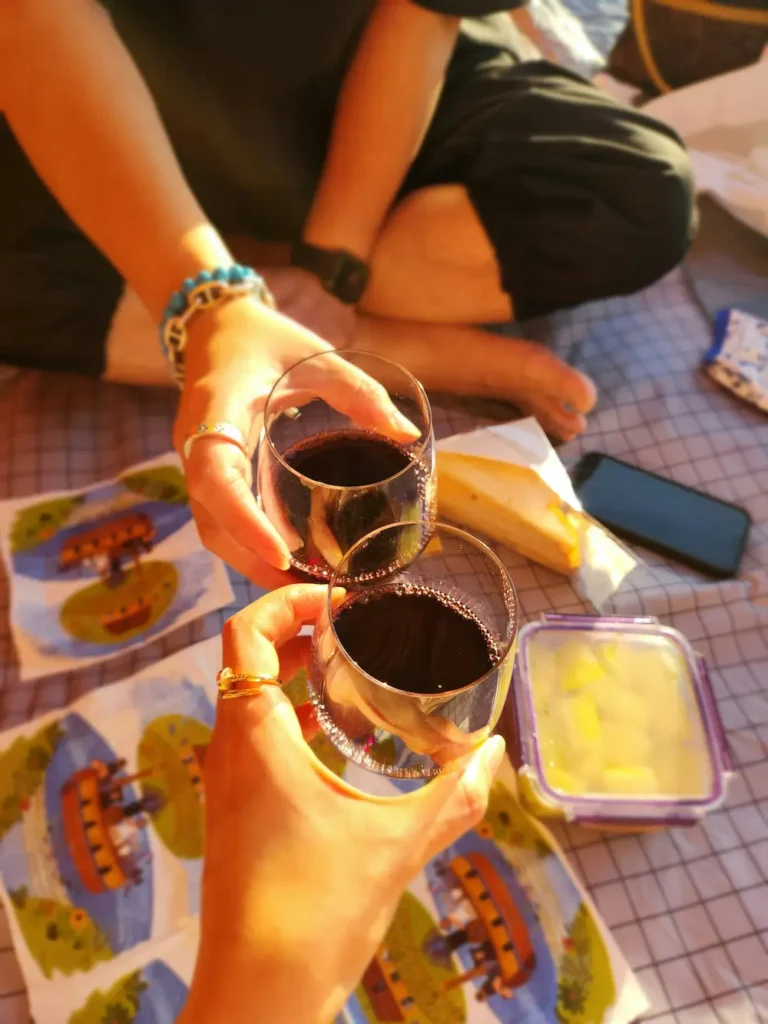
Cellars hide in valleys, while the landscape mixes forests and small vineyards. You taste wines that still search for their voice, and often find it.
The Young Slovak Winemakers Shaping 2026
These names gain notice fast:
– Fedor Malík & syn (natural pioneer)
– Strekov 1075 (raw and alive)
– Karpatská Perla (elegant classics)
– Tajna (modern reds)
– Mrva & Stanko (consistent quality)
Bottles at the cellar door usually cost 8–10 euro if you want to bring home some.
Where to Stay in Your Slovak Wine Trip
– Small Carpathians: family pensions in Modra or Pezinok from €80
– Tokaj Slovakia: village guesthouses from €75
– South Slovakia: riverside rooms from €85
– Eastern Slovakia: hill-view estates from €90
Three Ready-to-Copy Itineraries for Your Slovak Wine Trip
48-hour Bratislava-based weekend (Small Carpathians focus)
Friday evening train north (30 min). Check into village pension. First tastes nearby.
Saturday full day, cellars by e-bike or local bus. Restaurant lunch with local food. Evening train back.
Sunday recover in Bratislava cafés.
72-hour Košice-based long weekend (Eastern Slovakia focus)
Friday afternoon bus west (90 min). Check into valley guesthouse.
Saturday full day, three emerging producers by local transport. Overnight in vineyard room.
Sunday slower day with last glasses. Evening bus back to Košice.
Weekend in Tokaj Slovakia from Bratislava
Friday train east (3 hours). Check into small village room.
Saturday full Tokaj trail, cellars in the seven villages.
Sunday morning last tasting, afternoon train back.
Quick Tips for Your Best Slovak Wine Experience
Go in May–June or September–October for warm days and quiet trails.
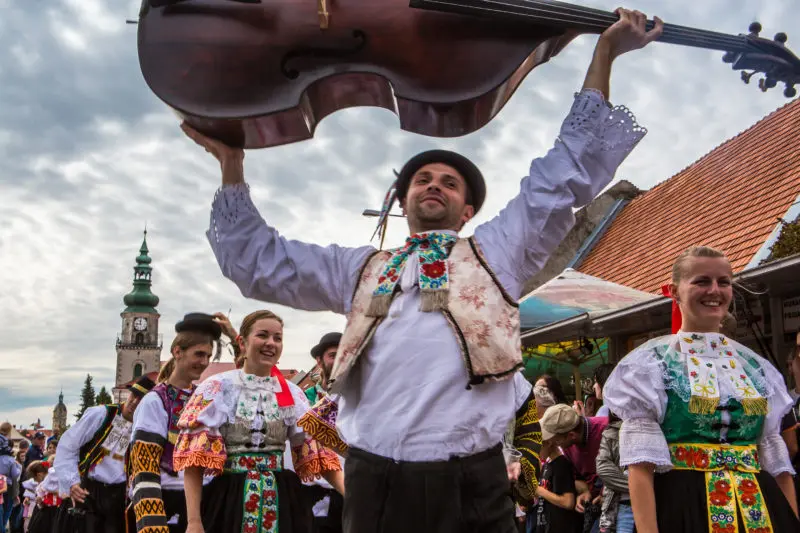
September brings small harvest festivals in many villages. Community celebration vibe, without huge crowds.
Say “degustácia” when you want to taste. Doors open faster.
Buy a foldable bottle carrier for the train. Put some bottles into it, because unfortunately you can’t buy wine on the trains.
Carry cash. Small cellars often prefer it.
One last thing
Slovakia keeps its wine stories gentle, probably this is why most travellers come for mountains, castles or cities.
But the country now offers vineyards, honest bottles, and open cellars that feel friendly, inviting, and full of surprises. Did I mention they will steal your heart?
Come uncover the secrets of Slovak wine for yourself in 2026.