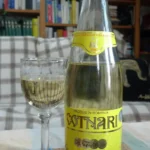
One day a bottle of Romanian wine lands in your hand. Maybe a deep Fetească Neagră or a honey-sweet Cotnari. You taste it. And you pause. This is something new.
The world knows Romania for Dracula, Transylvania castles, Black Sea beaches, and mountains that feel ancient. Few know the country also makes wines that surprise even experienced drinkers.
It’s almost like Romania keeps these wines almost secret. The regions stay quiet and the prices stay low. But experiences feel real.
In 2026 they will be easier to reach than ever. If you love discovering places before everyone else does, this guide is for you.
How to Reach Romania’s Hidden Wine Regions
Romania’s main tourist cities are your best starting points. Fly into Bucharest, Cluj-Napoca or Iași. From any of them you reach real vineyards in one to three hours.
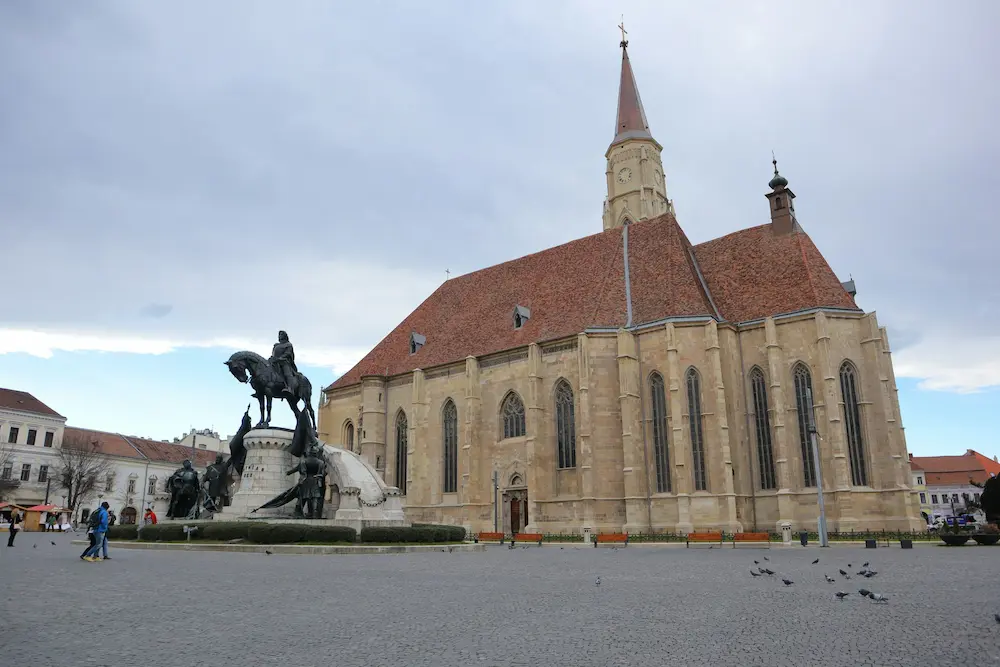
Trains and buses run often, and tickets cost little. Many stations now offer e-bike rental on the platform. New regional lines open in 2026. Transylvania Eurocity train is reality today, and departs from Vienna. I think not calling it Transylvania Express is a missed opportunity, but I understand that might sound more like a title for a mystical movie than a European line.
You land in a big city, buy a cheap ticket, drink a strong coffee, and soon you chill between vines. No one rushing. No one is busy. So you’re slowing down too.
Dealu Mare: The Bold Red Feelings of Bucharest
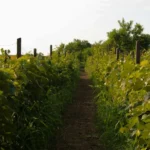
Dealu Mare sits on sunny hills less than two hours from the capital, and many call it Romania’s red wine heart. And they’re right. Cabernet Sauvignon, Merlot and local Fetească Neagră ripen deep and rich here.
The climate feels almost Mediterranean. The hilly landscape has its unique charm.
You visit small family estates tucked between rolling vineyards. The wines carry dark fruit and spice. Prices at the cellar door stay surprisingly gentle.
Transylvania: Cool-Climate Romanian White Wine Secrets Around Cluj and Sibiu
Transylvania offers more than castles and forests. Yes, the landscape is often picturesque. The forests are deep, the castles are like mementos from more violent historical times. But if we are looking for the Romanian wine experience, this is one of the best places to be.
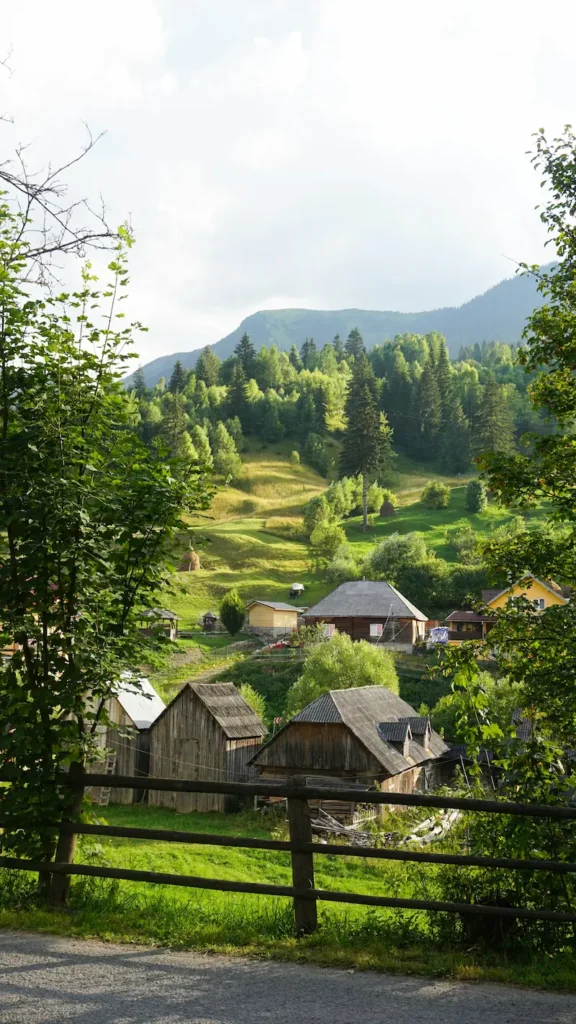
Cool nights and sunny days create crisp whites. Fetească Regală is the local king, but well-known international varieties like Riesling and Sauvignon Blanc also grow on hills around Cluj and Sibiu.
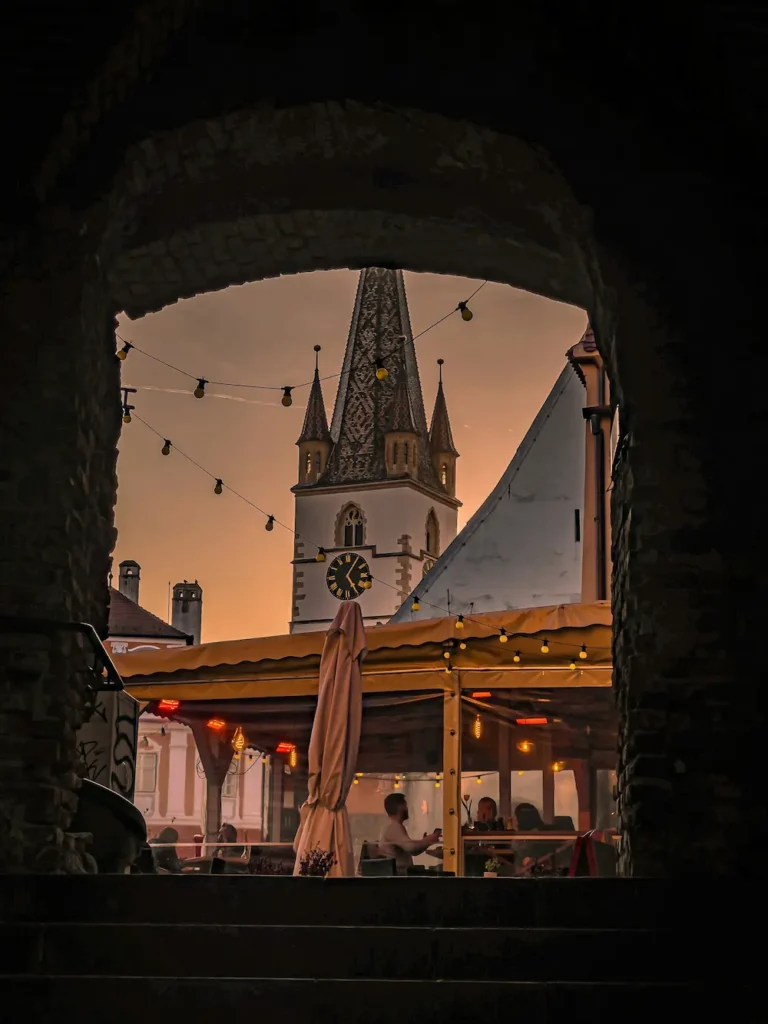
Old Saxon and Hungarian heritage shows in the cellars. Believe or not, some date back a millennium.
You taste in stone rooms or wooden terraces, with mountain air in your glass. Yet, the wines stay light and bright. The view is mountainous, but definitely not like in the Alps. The Eastern influence is undeniable, and the results are unique and memorable.
Cotnari & Iași Region: Internationally Protected Sweet and Dry Romanian Wine Surprises
Cotnari is famous for sweet wines that rival Tokaj or Sauternes.
The region just received protected status for its Grasă de Cotnari. Late-harvest bottles taste like honey, apricot and happiness frozen in time.
Not gonna lie, dry versions surprise too. Fetească Albă and Busuioacă de Bohotin bring flowers and citrus, and they’re so drinkable you almost can’t believe it.
You walk historic cellar streets in Iași region, taste from old barrels, feel the weight of centuries.
Crișana & Banat: Emerging Romanian Natural Wine Secrets Near Timișoara and Arad
Western Romania feels like a borderland. Like they’re on the edge of something you can’t name but feel. It’s not physical.
Young producers revive native grapes like Mustoasă de Măderat and bring back Kadarka. Natural methods spread fast, sustainability and blending tradition with modern paths is the name of the game. Young blood, fresh energy.
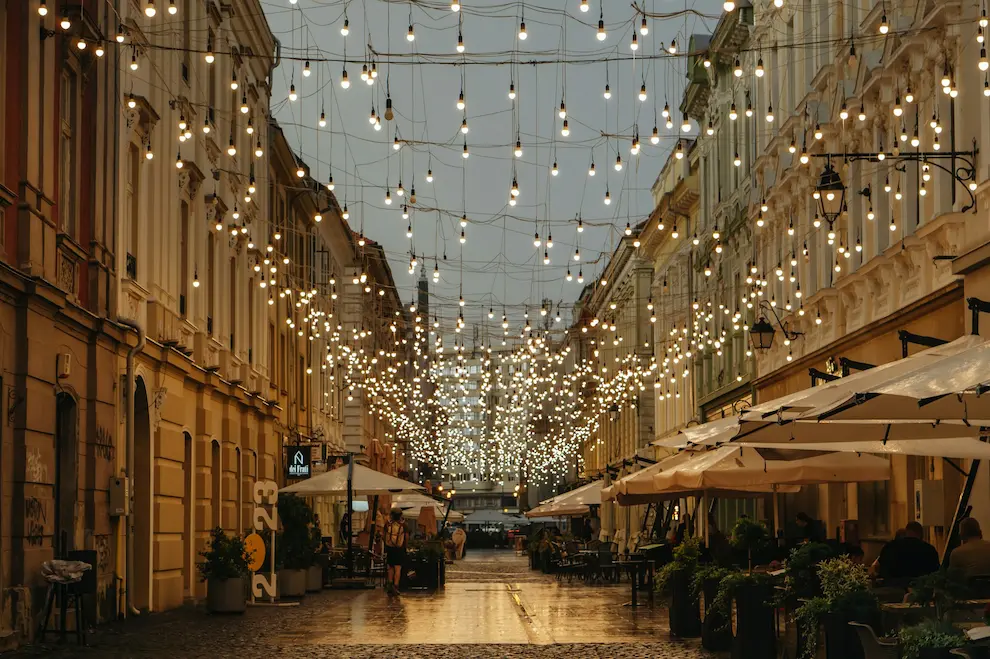
Cellars stay small, authentic, and family-run. You taste cloudy, alive wines in simple rooms. The landscape mixes plains and low hills. The cities are alive, the feeling is fresh and full of future.
The Young Romanian Winemakers Shaping 2026
These names appear more and more on international lists:
– Cramele Recaș next generation (modern classics)
– SERVE (elegant reds)
– Avincis (Transylvania whites)
– LacertA (Dealu Mare power)
– Domeniul Bogdan (biodynamic pioneer)
Bottles at the cellar door usually cost 12–30 euro, but you can find actual gems with lower prices too.
Where to Stay Like You Belong – Local Places Under €120/Night
– Dealu Mare: hillside guesthouses from €90
– Transylvania: rooms in old Saxon houses near vineyards from €85
– Cotnari: family pensions in the village from €75
– Crișana: small estates with guest rooms from €80
All feel like places only locals know. And if I were you, I’d look for places like you can’t find anywhere else. A hillside guest house surrounded by pines and rocks. A view of a grazing field with sheep and cows, and the next neighbour is more than a hundred metres away. The silence and the calm are almost touchable.
Three Ready-to-Copy Itineraries, With Detailed Steps
48-hour Bucharest-based weekend (Dealu Mare focus)
Friday evening bus north (90 min). Check into hillside guesthouse. First tastes at nearby cellar.
Saturday full day, hopping a few estates by local bus or e-bike. Picnic, hiking. Evening back to Bucharest.
Sunday recover in the city.
72-hour Cluj-based Romanian wine weekend (Transylvania focus)
Friday afternoon train south (60 min). Check into Saxon-style pension. Sunset tasting.
Saturday bike the vineyard trails, four cellars. Overnight in vineyard room.
Sunday slower day around historic sites and last glasses. Evening train back to Cluj.
Monday home.
Weekend in Cotnari from Iași
Friday train to Cotnari area (120 min). Check into village pension. Evening sweet wine tasting.
Saturday full Cotnari trail – historic cellars and dry surprises.
Sunday morning last glass, afternoon train back.
Quick-Fire Tips for Your 2026 Romanian Wine Trip
Go in May–June or September–October for warm days and quiet places.
September brings harvest festivals in many regions.
Say “degustare” when you want to taste. Doors open faster.
Carry cash. Small cellars often prefer it.
One more thing
Romania keeps its best wine stories quiet. Most travellers come for mountains, sea or history. But the country now offers vineyards, exciting bottles, and open cellars that feel fresh and full of uniqueness.
Come uncover Romanian wine secrets for yourself in 2026.
Save this guide. Plan your trip. And when you sit with a glass of Romanian wine, take a selfie and send it to your friends. You arrived.