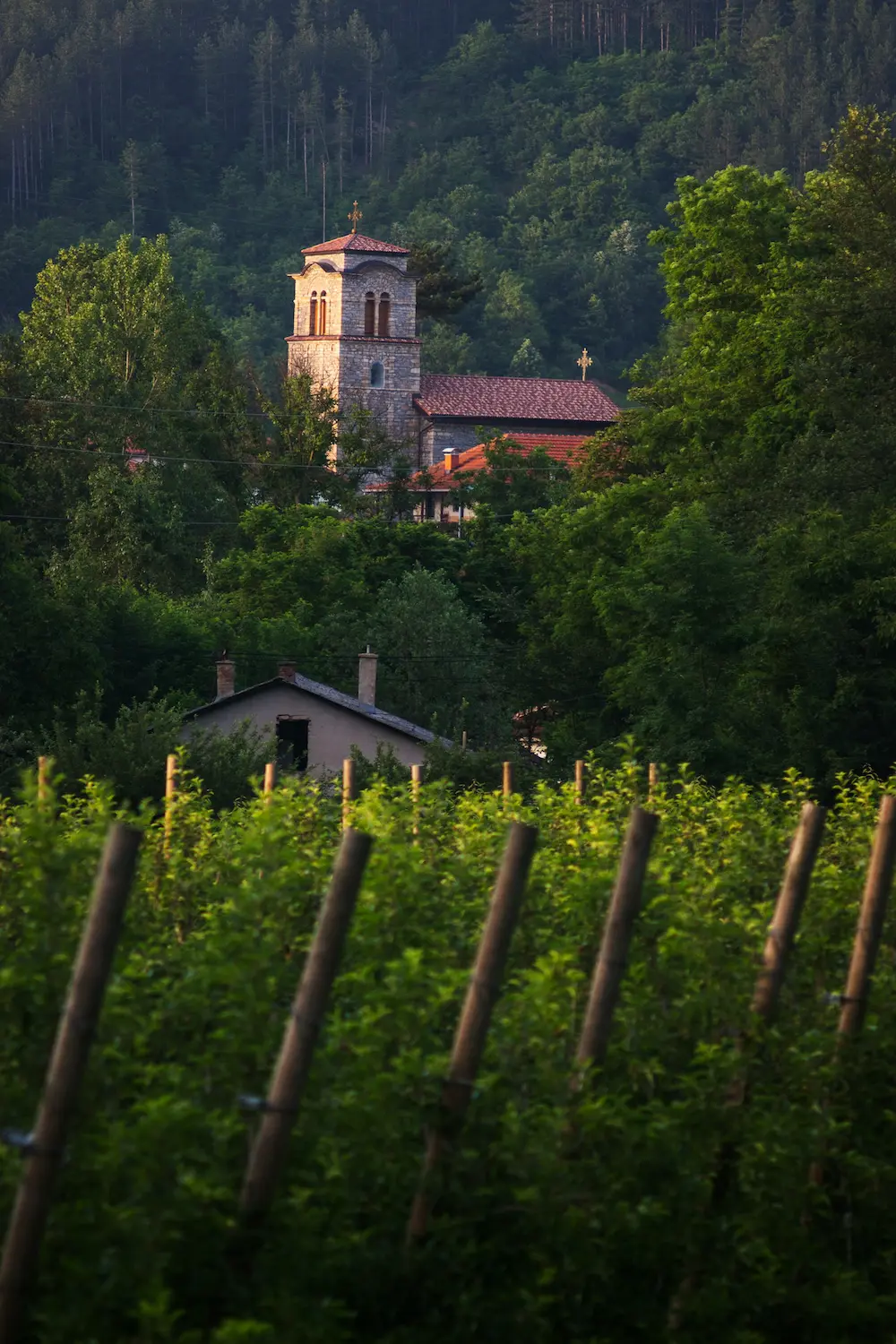
Tasting Serbian wine is like trying an usual, average food with a totally unexpected, counter-intuitive seasoning. I would never have imagined it could be that good but it works. Many say Serbia is the land of transitions, lying between Central and South Europe, east and west. This is why you probably know Serbia for Belgrade’s nightlife. Or the Danube cruise boats, not for its wines.
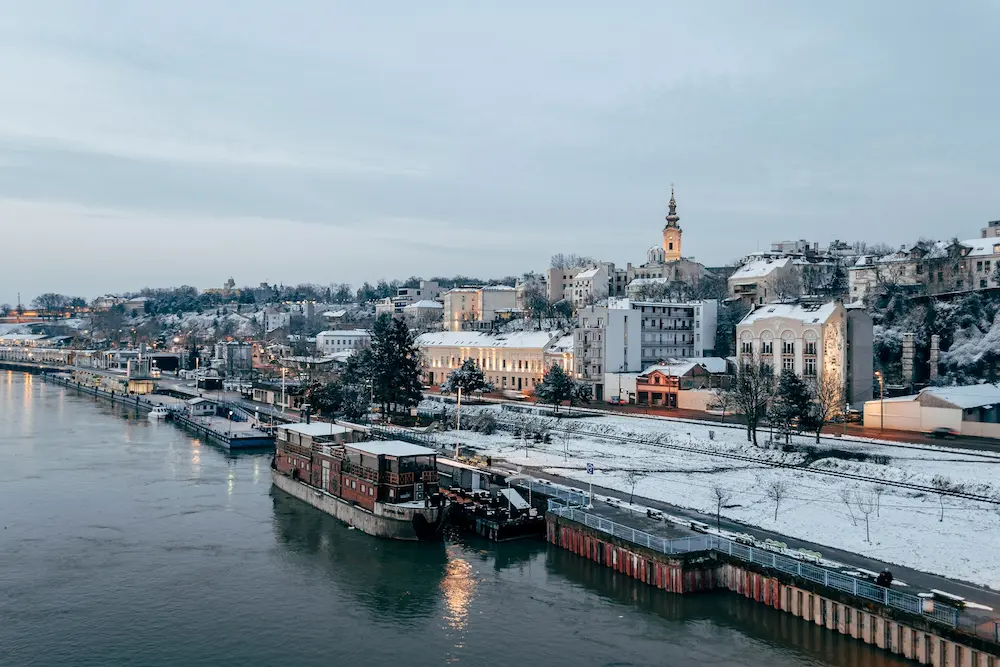
But step one hour outside the capital, or take a short train north or east, and the country quietly reveals another side.
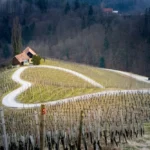
Vineyards appear on hills that feel like Central Europe’s southern edge. The grapes are local, the cellars are old, the people are warm. And almost nobody outside the region talks about it.
Serbia sits at the southern gate of Central Europe. Economically and culturally it ties to the neighbours, but surprisingly, its wines stay lesser known. That makes the country perfect for anyone who loves finding places before the crowds arrive.
In 2026 it’s still wonderfully quiet.
Planning a Serbian Wine Trip? It’s Easier Than You Thought!
The big tourist cities are your launch pads, the easiest path. Fly into Belgrade or Novi Sad.
From Belgrade you reach Šumadija vineyards in sixty minutes. From Novi Sad you stand in Fruška Gora vines in less than an hour.
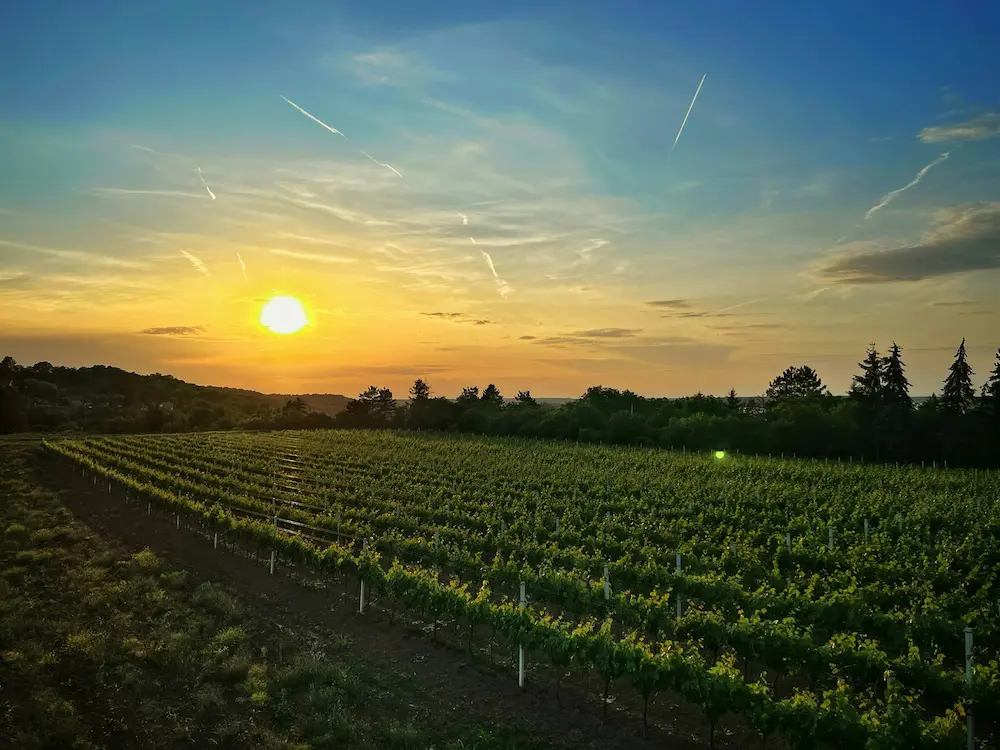
Trains and buses run often. Tickets cost little. Many stations now offer e-bike rental right on the platform. If you’re on a Belgrade tour, add a wine day to any city break. It fits without effort.
Fruška Gora: One Hour from Novi Sad Where Serbian Wine Is the King of the Hill
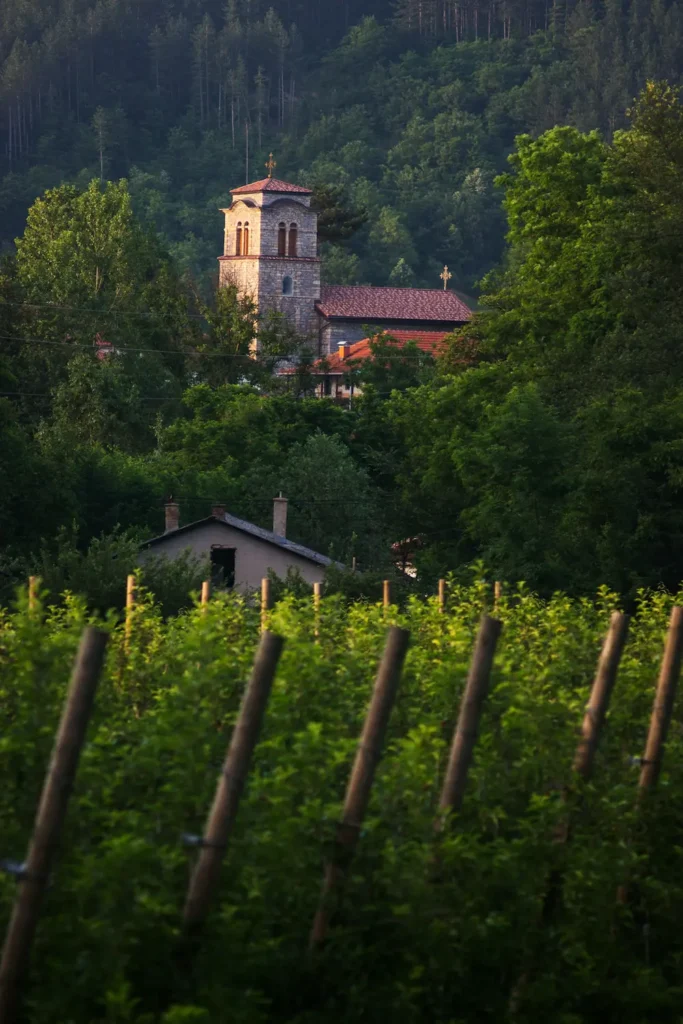
Fruška Gora rises gently above the Danube, covered in forest and vines. And the view is often picturesque with the monasteries on the hills.
National park status keeps the area green and calm, so if you’re more interested in hiking and nature, you’re also in a good spot.
Bermet, a spiced aromatic wine once sent to European courts, still ages here. Local varieties like Prokupac and Tamjanika grow alongside international grapes. But one can taste international tastes anywhere in the world, so don’t be so shy! Pour some local Serbian wine, it’s worth it.
You visit small family cellars tucked into the slopes. The view stretches over the river. Silent. Peaceful.
And don’t forget that every September Sremski Karlovci hosts the famous Winobranie festival. Yes, the same name as Poland’s famous harvest festival, but with a distinctly Serbian twist. Or think of it as Serbia’s own Oktoberfest, but for wine. Fortunately it’s not silent at all.
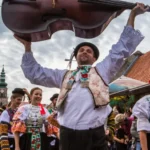
The whole town turns into one big celebration. Parades wind through baroque streets. Concerts fill the squares. Cellars open their doors wide. You walk from booth to booth with a glass in hand, tasting young wines, eating grilled specialties, listening to tamburica music. The atmosphere feels local and proud. Locals dress in traditional clothes. Kids run around with painted faces. If you time your visit for the festival weekend, book early, because rooms fill fast. But even then the crowds stay friendly, never overwhelming.
Šumadija: The Serbian Wine Heartland Around Belgrade with Shocking Good Reds
Central Serbia feels like the country’s quiet core. Rolling hills surround Belgrade, where family estates hide between villages.
Prokupac makes bold, spicy reds. Tamjanika brings aromatic whites. And the local food, huh, yummi.
You taste in simple rooms or under trees. The winemakers talk about soil and sun like living beings. Prices stay low. The feeling stays personal. This is because you aren’t the tenth visitor in a row that day, but maybe the only one, so you get the attention like an old friend.
Negotin & Rajac: The Unique Stone Cellar Villages in the East
Drive east and time slows. Or it feels like you crossed a portal and went back to the past.
Whole villages of stone cellars, they call them pimnice, line the hills. Some streets have more cellars than houses. The site waits for UNESCO recognition, and I can understand why.
Traditional reds age in cool darkness. You walk between stone buildings that look like hobbit homes or straight from a costume movie. Almost surreal, but it’s real. You see that with your own eyes, you can touch it, and you can sit down with a glass in hand. That’s real Serbian wine, not an illusion.
The experience feels like stepping back a hundred years. Maybe I just can’t properly describe how extraordinary the feeling is.
Župa & Oplenac: Serbian Wine’s Royal Heritage and Emerging Naturals South of Belgrade
South of the capital, Župa grows some of Serbia’s oldest continuous vines. Nearby Oplenac hill holds a royal mausoleum covered in mosaics.
Prokupac revival leads here. Young producers experiment with natural methods, and they’re good at it.
You taste in cellars below the royal church or in small modern rooms. History and future sit side by side. You take a selfie, but sometimes the background is like you’re a time traveller.
The Young Serbian Winemakers Shaping 2026
These names gain international notice fast:
– Temet (modern Fruška Gora)
– Chichateau (elegant Šumadija)
– Vinarija Aleksandrović (royal heritage)
– Imperator (Negotin tradition)
– Maurer (natural frontier wines)
Bottles at the cellar door usually cost 5–15 euro.
Where to Stay, Places Under €100/Night
– Fruška Gora: monastery-area guesthouses from €80
– Šumadija: family pensions near vineyards from €75
– Negotin: stone-house rooms from €70
– Župa: hill-view estates from €85
Three Ready-to-Copy Itineraries for Your Serbian Wine Trip
48-hour Belgrade-based weekend (Šumadija focus)
Friday evening bus south (60 min). Check into village pension. First tastes nearby.
Saturday full day, family estates by local bus or e-bike. Hillside picnic lunch. Evening back to Belgrade.
Sunday recover in the city.
72-hour Novi Sad-based long weekend (Fruška Gora focus)
Friday afternoon train to Novi Sad (40 min from Belgrade airport). Check into old-town room.
Saturday full Fruška Gora trail, cellars by bike or bus. Overnight in hillside guesthouse. Or a day-trip to Sremski Karlovci.
Sunday slower day around monasteries and last glasses. Evening train back.
Long weekend in Eastern Serbia from Belgrade (Negotin focus)
Friday train/bus east (3 hours). Check into stone-house room.
Saturday full pimnice village exploration.
Sunday morning last cellar visits, afternoon return.
Quick Tips for Your Best Serbian Wine Experience
Go in May–June or September–October for warm days and quiet trails.
September brings Sremski Karlovci Wine Festival, party vibe and celebration, so book early, it fills fast.
Say “degustacija” when you want to taste. Few Serbian words from a foreigner visitor can make wonders.
Carry cash, because small cellars often prefer it.
Food for Thought
Serbia keeps its wine stories close. Most travellers come for cities, rivers or mountains.
But the country now offers vineyards, exciting bottles, and open cellars that feel refreshingly unique, memorable, and inviting.
Come uncover the secrets of Serbian wine for yourself in 2026.