What do you know about Croatia? Sun-bleached islands, turquoise water, Game of Thrones tours. Fair enough. And about their wine? Maybe even less. Then one evening, somewhere behind Split or ninety minutes east of Zagreb, someone hands you a glass of deep, salty Plavac Mali or a bright, mineral Graševina, and you realise the country has been hiding an entire wine personality from the rest of the world.
This is the Croatia people keep coming back to. And in 2026 it will be easier, cheaper and quieter than ever to find it.
How to Reach the Best Croatian Vineyards Without Renting a Car
Croatia built a reliable, usable network of buses, trains and ferries long before wine tourists arrived. Fly into Zagreb, Split or Rijeka. Grab an espresso. Two hours later you can already be standing between rows of vines.
Local buses run on time. Ferries leave every hour in season. Most wineries now offer e-bike rental the moment you step off the boat or bus. You do not need a yacht. You only need a backpack and a little curiosity.
Slavonia & Croatian Uplands: The Wine Surprise Ninety Minutes from Zagreb
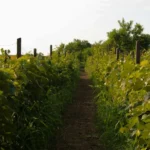
Everyone expects the coast. Almost nobody expects continental Croatia to make wines this good. Rolling hills, endless cornfields giving way to vineyards, the Danube glinting in the distance. Locals call it their little Tuscany, then laugh because it costs a quarter of the price.
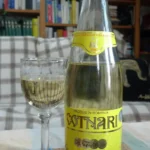
Graševina is the queen here, it’s crisp, peachy, sometimes lightly sparkling. Pretty easy to drink, especially when it’s chilled and you sit in thirty-degree heat. Frankovka (Blaufränkisch) brings the spice.
You sit on a wooden bench outside a 150-year-old cellar in Kutjevo, taste five wines and homemade kulen sausage, pay fifteen euro and leave with two bottles in your bag and a new friend who insists you come back for the grape harvest.
Istria: Yes, Everyone Knows It, But the Wines On The Quiet Side
Istria is the most famous Croatian wine (and tourist) region for a reason. Malvazija Istarska, Teran, beautiful hill towns. The difference in 2026? Skip the packed coastal strip around Rovinj and Poreč. Head inland twenty minutes to Motovun, Grožnjan or Buzet. Same grapes, half the people, twice the stories.
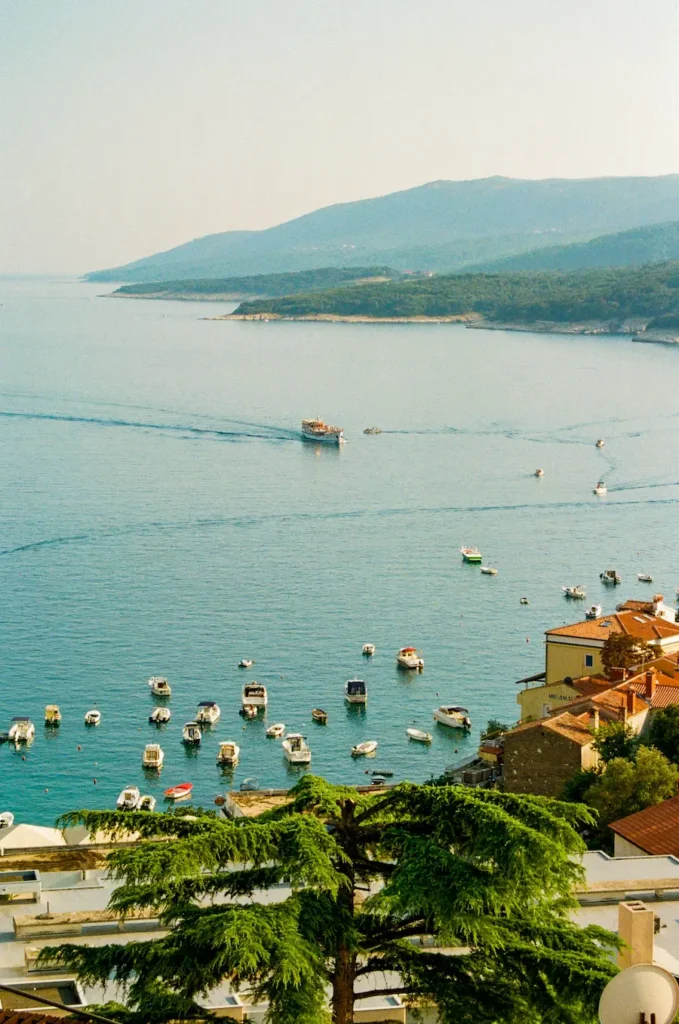
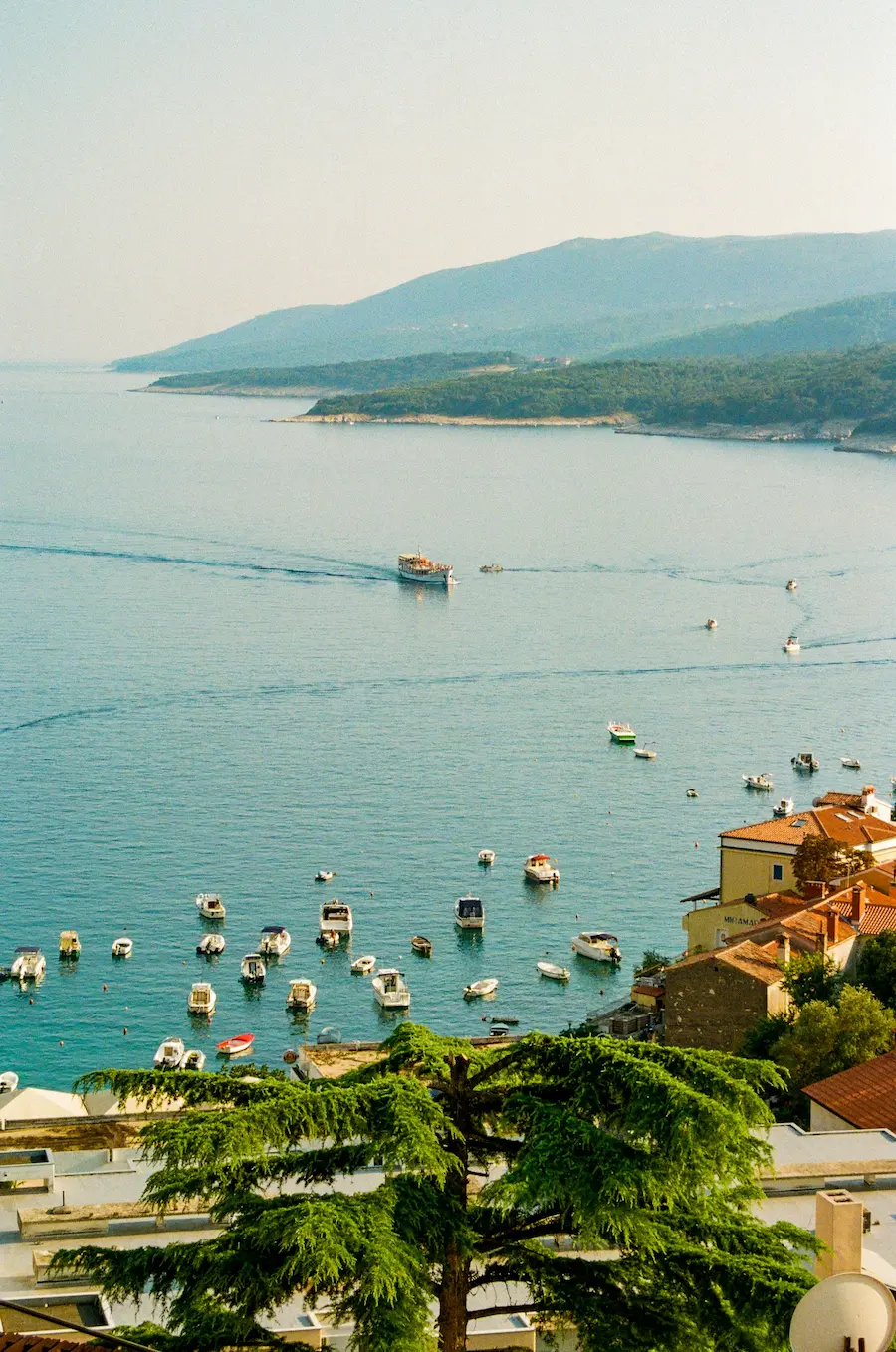
Young producers are making skin-contact Malvazija that smells like apricot and sea salt. Family cellars open only on Saturdays and only if you text first. You taste in garages that used to store tractors. The vibe is distinctive, it’s unmistakably Adriatic. It feels like you discovered something no one else knows about, even though the locals have been doing it for centuries. And trust me, you won’t believe how turquoise the water is.
Dalmatian Hinterland: Where Plavac Mali Grows Wild
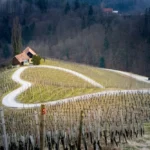
Everyone who is interested at least a little bit in the local wine tradition has heard of Dingač and Postup on Pelješac. But drive one valley inland and the crowds disappear. Imotski, Vrgorac, Sinj. Steep red-soil slopes, wind that tastes of salt even ten kilometres from the sea, and Plavac Mali so intense you can almost chew it. You can’t taste that anywhere else.
The winemakers here still pick by hand and still argue about whether the 2025 vintage will beat 2022. You taste from the barrel, eat lamb peka cooked under the bell, and pay what feels like 2010 prices.
Kvarner Bay & Islands: Croatian Orange Wine and Sea Breeze
Take the ferry from Rijeka to Krk, Cres, Rab or Lošinj and you enter Croatia’s orange-wine playground.
Žlahtina from Vrbnik is the crisp island white you will dream about in February. Young producers on Cres are putting everything on skins for weeks and coming up with bottles that look and taste like sunset and brine.
You cycle from village to village, stop at a konoba that looks closed but isn’t, drink from thick glasses, watch fishing boats come in. The sea is ten metres away, so you can walk in if you want to. The wine is in your hand. Nothing else matters.
Pelješac Peninsula: The Roads Less Driven
Dingač is legendary. But turn left instead of right at the only roundabout and the peninsula suddenly feels empty. Small family estates hide between olive groves and pine forests. Some cellars are literally carved into the rock. The same Plavac Mali, the same sun, but you might be the only visitor that day. And the sea…
The Young Croatian Winemakers Everyone Will Talk About in 2026
Keep an eye on these names (and taste them while you still can without a waiting list):
– Saints Hills (Dingać with elegance)
– Roxanich (natural wine pioneer, Istria)
– Bura-Mokalo (Dingać next generation)
– Tomac (amphora king, continental)
– Krauthaker (Slavonia’s Graševina master)
Most bottles still cost 15–30 euro at the cellar door.
Where to Sleep Like a Local – Real Places Under €100/Night
– Slavonia: vineyard guesthouses in Kutjevo from €80
– Istria: agroturizam apartments near Motovun from €100
– Dalmatian hinterland: stone houses in Imotski from €90
– Islands: family-run sobe on Cres or Rab from €70
– Pelješac: rooms above the cellar in Potomje from €95
For Planning a Wine Trip In Croatia (No Car Needed)
Friday–Sunday from Zagreb airport
– Friday evening train to Kutjevo → Saturday full Slavonia tasting → Sunday slow return via Osijek
Friday–Monday from Split
– Friday ferry/catamaran to Hvar town → Saturday Pelješac backroads → Sunday hinterland → Monday ferry back
Quick-Fire Tips for Your 2026 Croatia Wine Trip
Visit in May–June or September–October for perfect weather and zero crowds. Buy ferry tickets online two weeks ahead in summer. Ask for “kušati”, means “to taste”, it still works magic. Bring an empty suitcase. Wine in Croatia is still stupidly underpriced at the cellar. Carry cash. Many small producers still prefer it.
One last thing
I used to think Croatia was only beaches and islands. Then I spent a week drinking my way from continental cellars to island konobas and realised the country has been keeping its best secret in plain sight. World-class wine, warm people, and prices that still make sense. Come find your own version of it in 2026.
Save this guide. Pack light. And when you finally sit on a quiet terrace with a glass of something you can’t pronounce yet, send me a photo. I want to see your face when it happens.