You know Hungary for Budapest lights, goulash and paprika. But perhaps not so much about Hungarian wine. Then one afternoon you sit on a quiet terrace overlooking Lake Balaton or in a small cellar in Tokaj, someone pours you a glass of crisp Olaszrizling or deep Kékfrankos, and suddenly the country feels much bigger than you thought.
Hungary is small on the map. Its wines are not. The landscape looks like a mosaic, and it shifts fast: flat plains, volcanic hills, big lakes, gentle mountains. And the grapes change with it. Sweet aszú, dry Furmint, bold reds, light whites, even traditional method sparkling.
All in one country. All within a few hours of each other. In 2026 these places will be easier to reach, cheaper to visit, and still wonderfully quiet.
How to Reach Hungary’s Best Vineyards Without a Car
Hungary runs on trains and buses that actually arrive on time. Fly into Budapest, Debrecen or Sármellék right by Lake Balaton. From any of them you reach real vineyards in one to three hours.
Trains leave Budapest every hour north to Eger or south to Balaton. Buses connect the smaller towns. E-bike stations now wait at most train stops. New regional lines open in 2026.
You land, drink an espresso, buy a ticket for a few euro, and soon you ride between rows of vines. You only need curiosity and a light bag.
Tokaj: Sweet and Dry Hungarian Wine Legends Two Hours from Debrecen
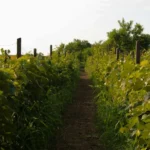
Tokaj sits in the northeast corner, hills covered in vines that have grown here for centuries. Here they make Tokaji, the king of wines, the wine of kings.
You taste dry Furmint that cuts like lemon and stone. Then late-harvest or aszú that is so sweet it tastes like honey and apricot preserved in time.
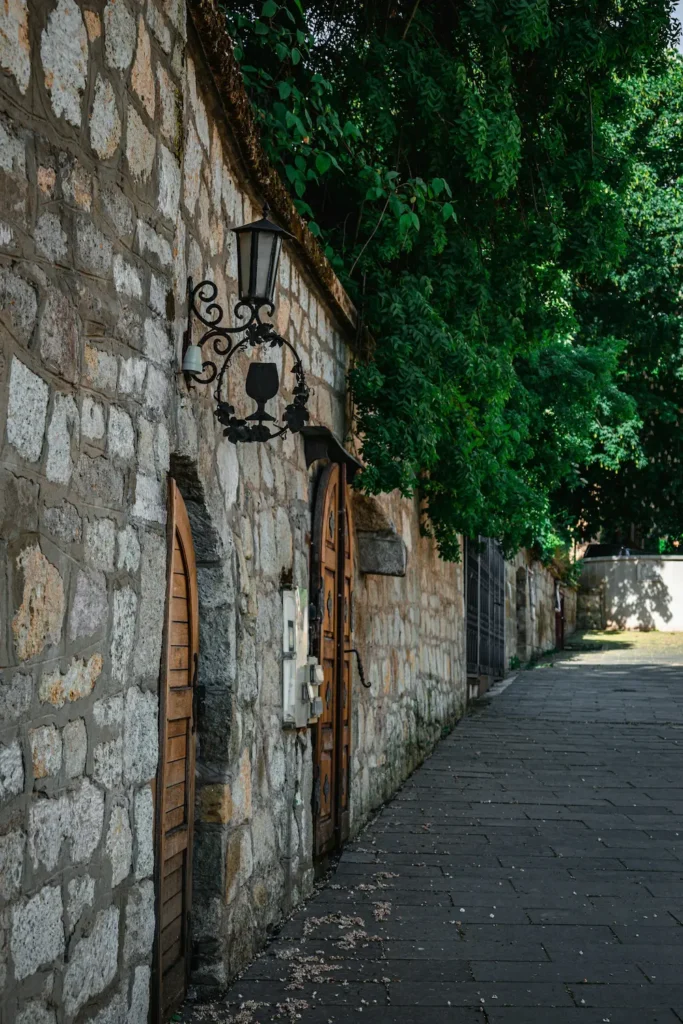
Small family cellars open their doors. Many still age wine in tiny underground tunnels. You walk in, taste from the barrel, pay little, leave with bottles and stories.
Balaton North Shore (Badacsony & Balatonfelvidék): Lake Views and Volcanic Whites
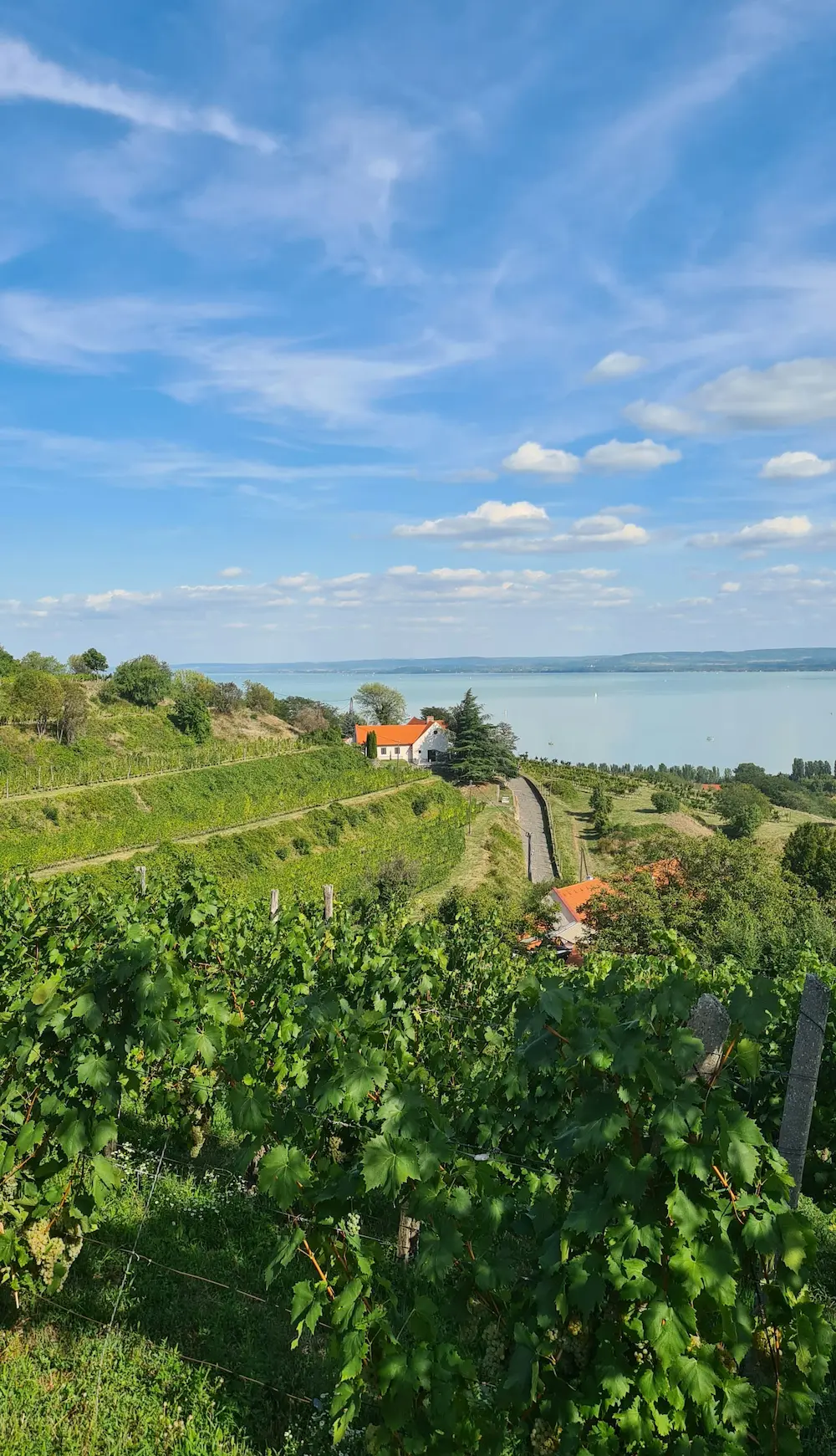
The north shore of Lake Balaton rises in steep basalt hills. Badacsony’s flat-topped volcano watches over the water. Vineyards climb its sides. Olaszrizling and Szürkebarát grow on ancient volcanic soil. The wines carry unique minerality and sometimes a touch of smoke.
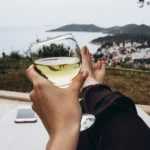
But that’s not the most important thing. The most important thing is the view, like something from a postcard. You sit at a small press house or on a terrace, the hillside rolling down beneath your feet right to the shores.
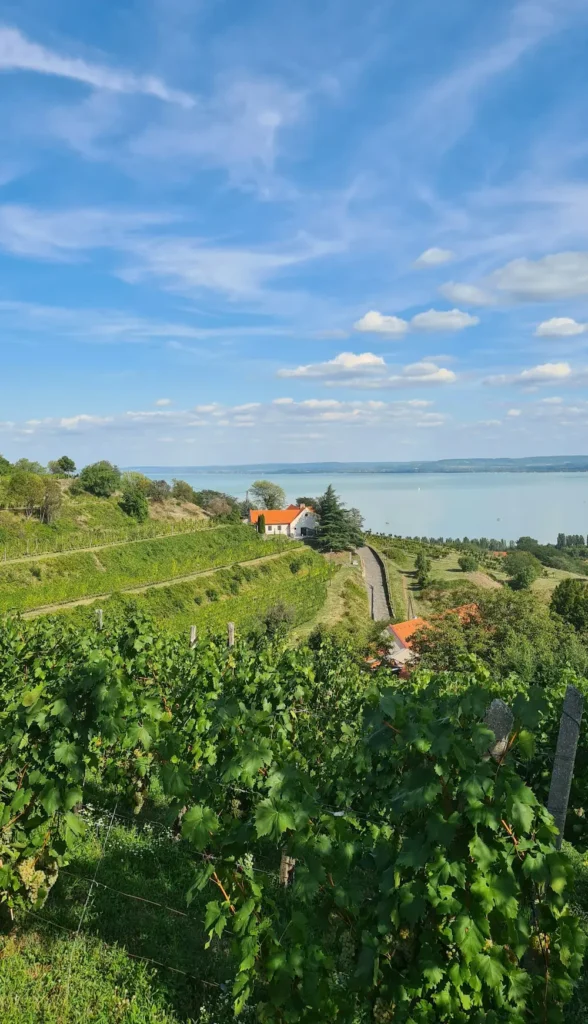
Glass in hand, watching sailboats drift by. The wine is really enjoyable. The sun sets slowly. The water turns pink. Everything feels easy.
Villány & Szekszárd: Bold Red Hungarian Wines with Sub-Mediterranean Flair
Head south and the climate warms a little. Villány and Szekszárd enjoy almost Mediterranean sunshine. Olives grow next to vines. Kékfrankos, Syrah, Cabernet Franc and local Kadarka ripen deep and spicy.
Cellar rows line the villages. Families open their gates on weekends. You taste young reds that dance and older ones that sit quiet and serious. Prices stay gentle.
Sopron: Where Austrian and Slovakian Influences Meet
Close to the Austrian border, Sopron feels like a gentle crossroads. The Alps are closer, Kékfrankos rules here too, but with cooler elegance. The town’s old centre hides wine cellars under medieval houses.
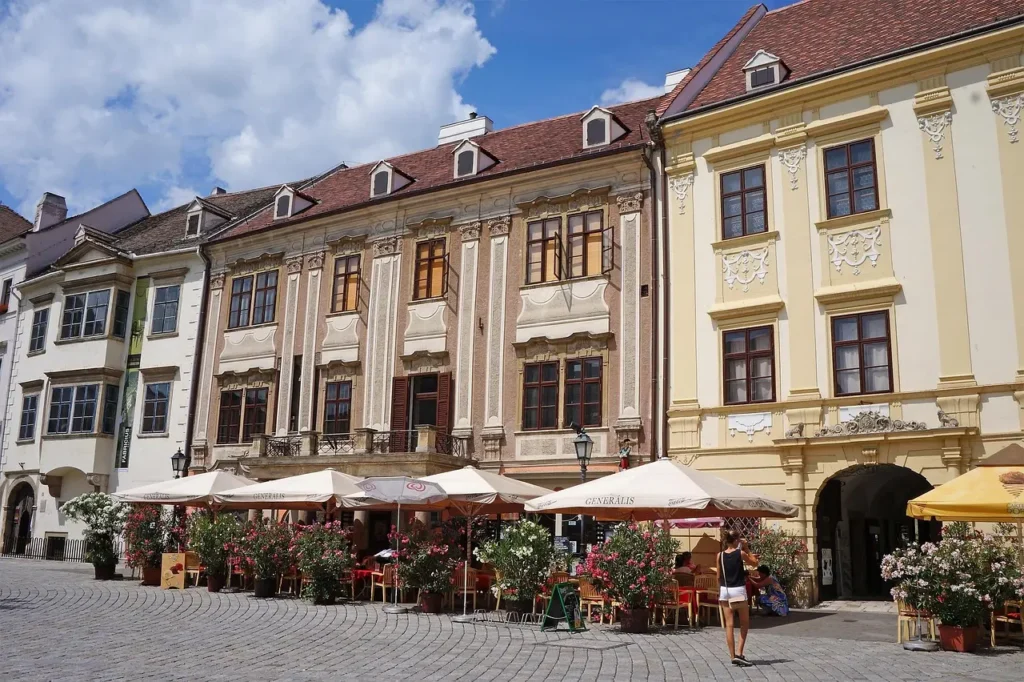
You walk narrow streets, taste in cool stone rooms, feel the breeze from nearby Fertő Lake. Austria is ten minutes away, Slovakia thirty. The wines carry that in-between character, familiar yet different.
Eger & Mátra: Northern Reds and New Naturals
North of Budapest, Eger is famous for Bikavér, bull’s blood blend, rich and spicy. Nearby Mátra brings lighter reds and a wave of young natural winemakers.
You explore baroque Eger, then drive or bus to Mátra foothills where small producers experiment with skin-contact whites and low-intervention reds. Cellars hide in valleys. The air is fresh.
The Young Hungarian Winemakers Shaping 2026
Keep an eye on these names, they are putting Hungary on more international lists:
– Gere Attila next generation (Villány elegance)
– Szentesi (native grape revival)
– Bott Frigyes (natural border wines)
– Barta (Tokaj revival)
– Kovács Pince (Badacsony volcanic whites)
Where to Stay Like You Belong – Places Under €120/Night
– Tokaj: family guesthouses in Mad or Hercegkút from €80
– Balaton: rooms above cellars in Badacsony from €90
– Villány: small pensions in the village from €85
– Sopron: old-town apartments from €75
– Eger: valley wine hotels from €95
Four Ready-to-Copy Itineraries – With Detailed Steps
48-hour Budapest-based Hungarian wine weekend (Eger focus)
Friday evening train to Eger (90 min). Check into valley pension. Evening walk in town, first tastes.
Saturday full Eger – cellars, Bikavér trail, Szépasszony Valley. Evening train back.
Sunday recover in Budapest cafés.
72-hour Balaton-based long weekend (Sármellék start)
Friday flight to Sármellék. Bus to Badacsony (30 min). Sunset tasting on the hill.
Saturday bike the north shore trail, four cellars, lake swim. Overnight in vineyard room.
Sunday slower day in Balatonfelvidék villages. Evening bus/train back to airport.
Monday home.
Weekend in Villány from Pécs/Budapest
Friday train to Pécs then bus to Villány (total 3 hours from Budapest). Check into village pension.
Saturday full red wine trail, cellar row hopping.
Sunday morning last tasting, afternoon train back.

Long weekend in Tokaj from Debrecen
Friday flight/train to Debrecen, then bus to Tokaj (90 min).
Saturday full Tokaj – cellars in Mad and Tarcal.
Sunday slower day in Hercegkút underground tunnels. Monday back.
Quick-Fire Tips for Your 2026 Hungarian Wine Trip
Go in May–June or September–October for warm days and quiet trails.
On 1 May almost all towns hold family-centred festivals, but wine producers are there too. September brings new wine festivals everywhere.
Say “kóstoló” when you want to taste.
Buy a foldable wine carrier for the train.
Carry cash. Small cellars often prefer it, though digital payments are available everywhere.
One last thing
Hungary surprised me more than once. I thought I knew the country, because this is my home country. Then I spent days riding between lakes, hills and cellars, tasting wines that carried the place and the culture in every sip.
Yes, the country is small. But the wine map is huge. Come make your own version of it in 2026.
Save this guide, pack light, and when you sit somewhere quiet with a glass of something local, send me a photo!