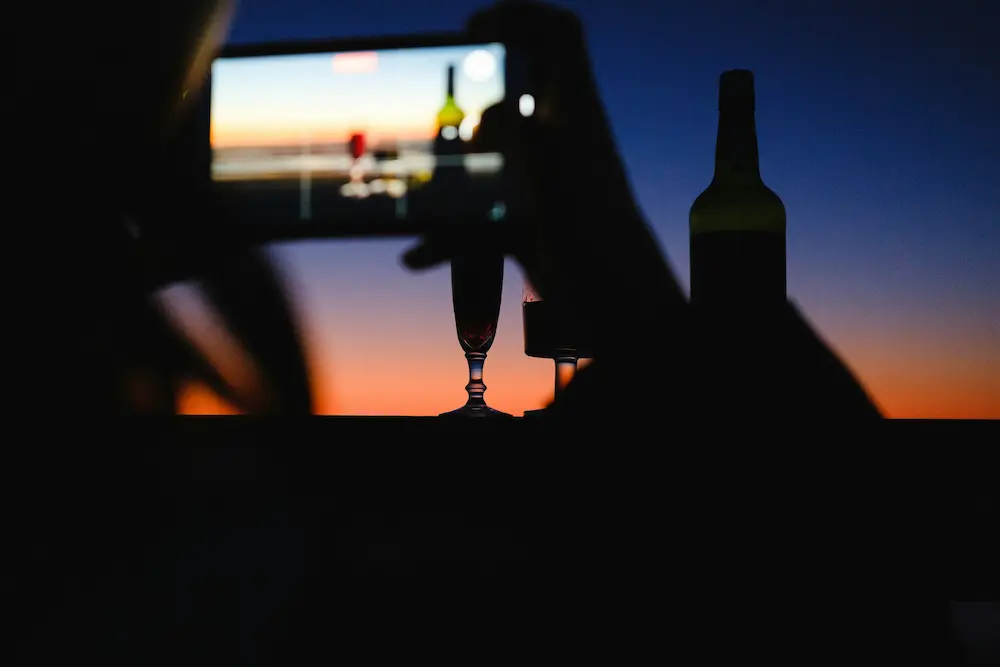
A beautifully shot wine post appears in the feed. Perfect lighting, crystal glass, sunset in the background. So nice. Lovely. And I scroll past without stopping. Wine marketing trends changed, because the target audience changed.
The post looks like an ad with a big budget, and I know exactly it’s an ad. I usually want to buy wine, so I’m not annoyed by the wine ads, but I just don’t care. It’s too much, too polished, too perfectly designed.
Three years ago I might have paused. Today it feels like something from another era.
The wine world is changing faster than most people realise. Traditional advertising channels lose ground. Paid influencer posts get fewer saves. The rules that worked for decades no longer deliver the same results. Something is shifting. We are shifting.
Traditional Media Is Losing Its Grip, And It Doesn’t Set Wine Marketing Trends Anymore
Print magazines and newspaper wine columns once shaped opinions. People still tell crazy stories from the 80s and 90s, one good review in a big magazine or on TV could sell out the producer’s entire inventory in a month.
Today younger buyers rarely open or watch them. Some even say legacy media almost entirely lost its reputation among younger generations, especially in the last decade. And wine advertising was the collateral damage.
A 2025 Wine Intelligence report across Europe and North America showed that only 18 % of 25–40-year-olds regularly read traditional wine media. The rest get information elsewhere.
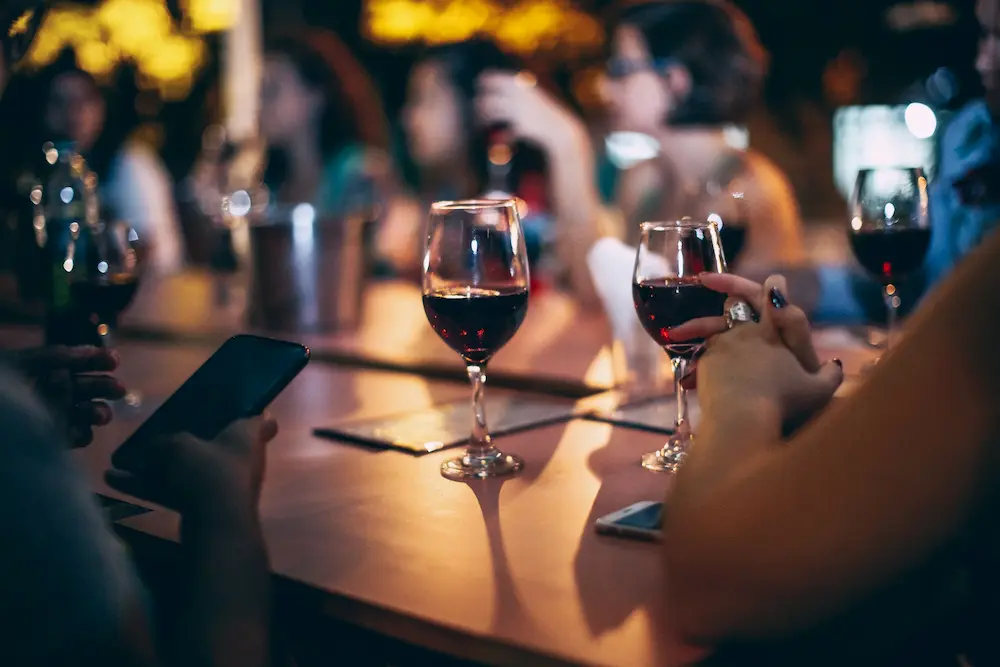
Big publications still exist. Some still run wine sections. But the audience moved on. They live on phones, in short videos, in private chats. Running an ad in a famous outlet no longer guarantees the same reach it once did.
Wine Influencer Campaigns Are Hitting a Wall
The influencer boom looked unstoppable. Perfect photos, sponsored trips, scripted tastings. Brands paid thousands for one post. It was a new wine marketing trend, but its “product cycle” became way shorter than expected.
Now the shine is wearing off. Comments turn sceptical. Saves drop. Algorithms push authentic content higher than polished productions.
Many of the classic sponsored setups simply don’t perform like they used to. The audience learned to spot the script.
Human Psychology Hasn’t Changed, Only the Channels Have
People still buy for the same reasons they always did. They want to feel good. They want a story. They want to belong.
People like wine for the same reasons they liked it for the past 8000 years. It helps us feel good. They say it’s a social lubricant that makes conversations easier, the lights more sparkling, and connections deeper. Maybe you have heard that it makes you a better dancer, but unfortunately that’s fake news. It doesn’t. Don’t believe it.
I know this is probably the silent part said out loud, but we all know people just like to get drunk. Yes, I said it. We want the feeling, the mood. And wine delivers in the best possible way. Everyone can trust it gets the job done. Desire, trust, and emotion drive decisions today exactly as they did fifty years ago.
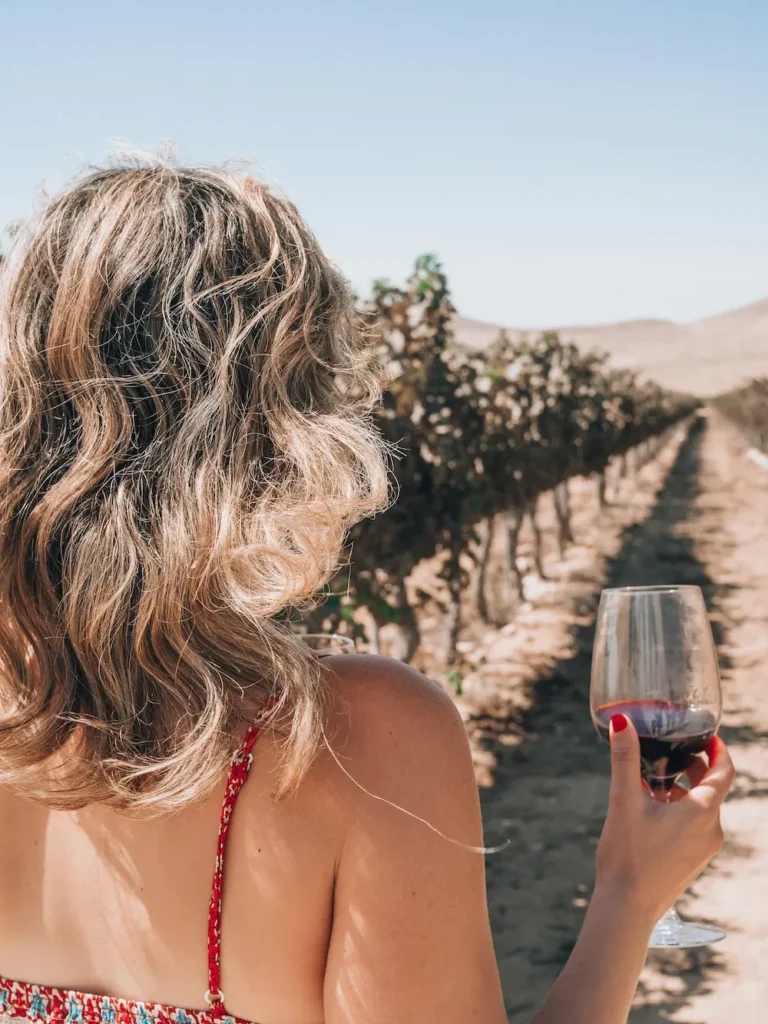
The difference is delivery. The message must arrive where the buyer already spends time. It must feel real. It must speak their language.
What Are the New Wine Marketing Trends Buyers Actually Respond To Now
Tasting notes full of tertiary aromas rarely stop the scroll. Words like “earthy undertones” or “hints of blackcurrant” don’t create connection anymore. Even if someone knows what that means, if it’s good or bad, important or marginal, it’s just not a factor anymore.
Buyers care about the people behind the bottle. They want to know who grew the grapes, who made the decisions, what decisions, and who opened the cellar door on a quiet Saturday.
They want to know the story, feel the place, the hands. They want to know why. And a polished ad campaign can’t deliver that. Slow building, growing organic reach can.
A short clip of a winemaker pulling a cork in their kitchen often gets more genuine engagement than a professional photoshoot on a yacht. And I think I don’t have to present a budget comparison for the two contents.
The Patterns That Already Work Better Than the Old Wine Marketing Trends
Small producers notice it first.
A simple video filmed on a cheap phone, posted without filter, showing the real cellar, the real person, the real moment. There’s a spider’s web in the corner, and mud on the floor because it rains out there. It’s obviously real. There isn’t a staff behind the screen for cleaning, lighting, and setting up every inch of the area for the shot.
So comments pour in. Shares follow. And sales increase.
The content is short. The voice is direct. The story is human, authentic. It screams “this is real life”. No big budget required. Only honesty and consistency.
The Shift Is Already Here
Traditional wine marketing is not dead, because wine buyers aren’t dead. Wine is the second most popular alcoholic beverage in the world. People want wine, and when the advertising lands, it can shape buying decisions. But the old trends of wine marketing are quietly transforming.
The target audience changed. The channels changed. The expectations changed. The need for real connection did not. The numbers of potential buyers did not. Nor the desire for the product.
Those who notice the shift early find new ways to reach buyers. Relatively unknown, small boutique wineries can sell wines with good positioning easily.
Those who stick only to old methods slowly lose ground. Even the Bordeaux or Burgundy big guns with centuries of track records reported declining sales. Their message about tradition, premium quality, and status is still true, and there’s a consumer segment that is looking for that. But it’s shrinking fast, and the new domestics, the new generations of wine drinkers are outnumbering them. And they can be reached almost only by the new wine marketing trends.
The future belongs to voices that feel human, stories that feel true, and messages that arrive where people actually look. The old ways are fading.
Something more direct is taking their place.