The hypercars of the wine world are widely recognized. Tokaji Aszú. Sauternes. Icewine. Port. But now Cotnari has received protected status for its sweet dessert wine, so add one more name to this short list of the elite lineup.
Late in 2025 the Cotnari region in northeast Romania received official protected geographical status.

Grasă de Cotnari, the grape behind its famous late-harvest and botrytised wines, now carries the same legal shield as Champagne or Port. Starting 2026 every bottle can prove its origin. It is prestige and recognition.
The Global Sweet Wine Market, Where Cotnari Now Has a Seat After Getting the Protected Status
The world of fine sweet dessert wine is pretty small and exclusive.
Only a handful of regions produce wines that regularly sell for hundreds of euro per half-bottle.
Tokaji Aszú leads in history and fame, it’s not a coincidence they call it the king of wines, the wine of kings. Sauternes brings elegance and power. German and Austrian Trockenbeerenauslese offer fresh sweetness. Canadian Icewine delivers pure fruit intensity. Vintage Port adds fortified depth. These are special wines, usually for special occasions, not for your average workday meals.
Cotnari enters this circle with a different voice.
The wines taste of honey, dried apricot, sometimes almond and citrus peel. Not the exact characteristics we would expect from a dessert wine. They stay lighter than their rivals, yet keep impressive ageing potential.
The biggest deal here is that prices remain far below the big names. A good Cotnari selection still costs a fraction of a comparable Sauternes or Tokaji.
How Big Is the Dessert Wine Segment, And Why It Still Matters
Sweet dessert wines make up roughly 1–2 % of global production volume. But in the premium and ultra-premium segment they punch far above their weight.
Collectors pay high prices for mature bottles. Restaurants treasure them for dessert pairings. Asian markets, especially China and South Korea, show steady growth in demand for noble sweet wines. The segment is small, but highly profitable.
I started with the hypercar analogy, and that pretty much hits it. They don’t sell many Bugattis a year, but when they sell one, the margin is multitudes bigger than on mass-produced cars. And fortunately, the consumer base for dessert wines is huge compared to the hypercars’ market.
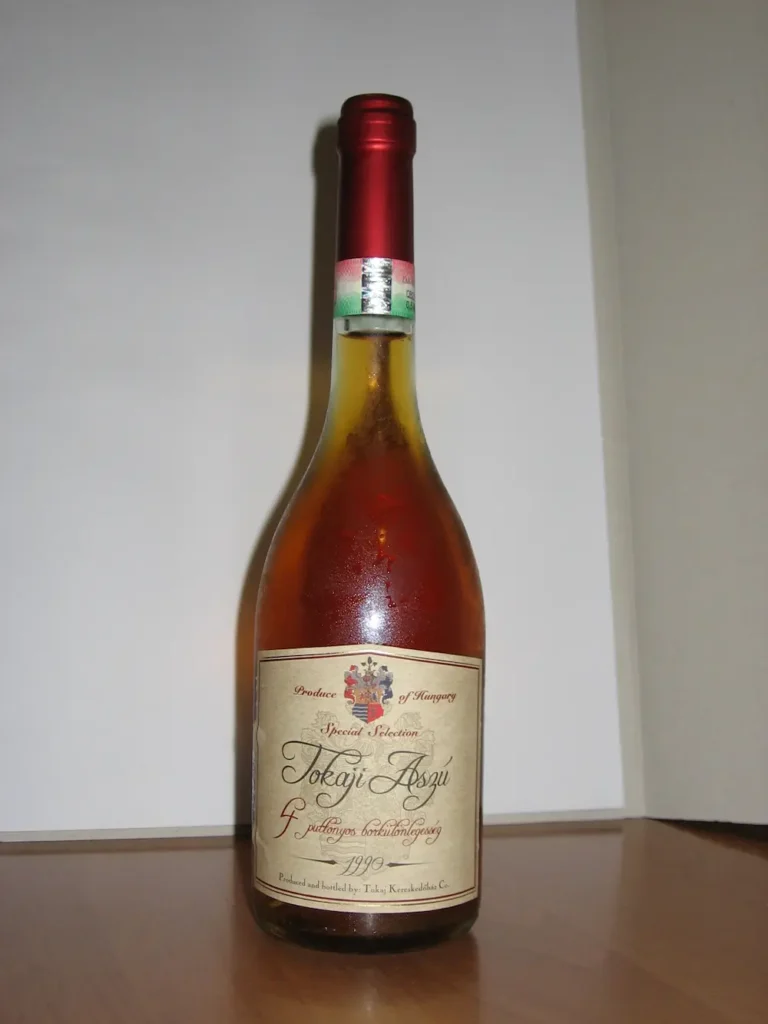
In my country, Hungary, Tokaji Aszú is kind of a “celebration gift” wine. It’s special, and not just because it’s relatively expensive, but because it’s rare. It’s not for gulping down fast, alone after a hard workday. We give Tokaji for birthdays, Christmas, anniversaries. It’s the traditional drink for the big moments. For valuable moments.
For Romania the protected status opens doors. And these doors hide business opportunities with nice profit. Cotnari protected status now brings prestige and quality.
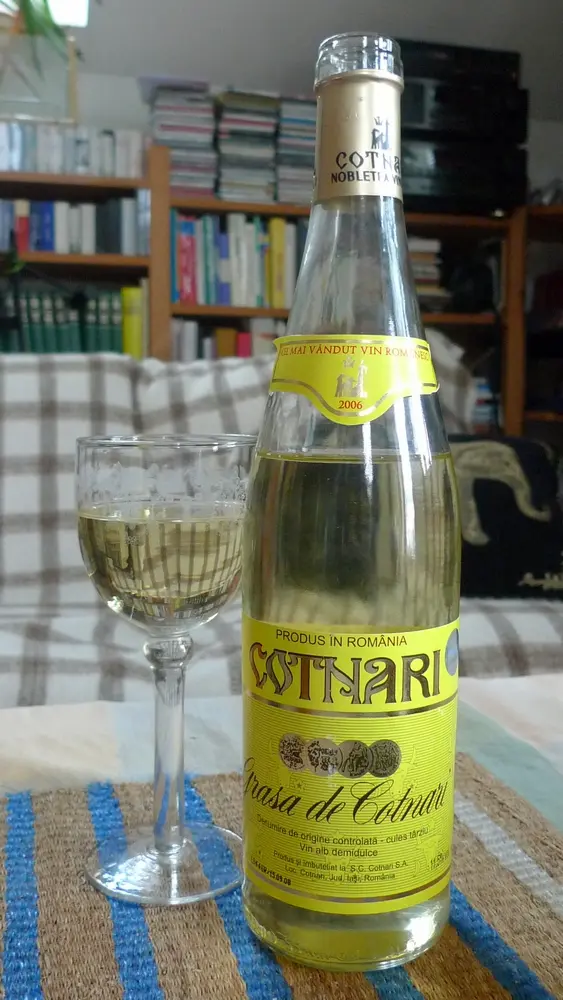
Buyers who once hesitated now have legal certainty of origin. Export markets that require protected designation gain easier access.
What This Means for Consumers and Sommeliers
You gain one more reliable choice on dessert wine lists.
A bottle that carries guaranteed origin, traditional methods, and a very unique flavour profile.
Cotnari will likely not flood the market. Sauternes or Icewine didn’t either. Production stays limited.
But when you see it on a list or shelf, you know exactly what you buy.
Pair it with blue cheese, foie gras, or simply fruit tart. Pair with your wedding anniversary. Or your loved one’s birthday. The wine stays versatile and food-friendly, and you can be sure it will be good.
What the Cotnari Protected Status Actually Requires
The new rules are clear. Certainty demands compliance, and producers can ensure the quality only when they follow the rules.
Only grapes from the defined Cotnari zone qualify. Grasă de Cotnari must form the majority. Late harvest or botrytis influence is mandatory for the top categories.
Yields stay low. Hand harvesting remains standard. Sugar and alcohol levels follow strict bands.
Every bottle carries traceability.
These rules protect quality and prevent dilution. Just like for Tokaji or Trockenbeerenauslese, because joining the elite league means reaching the benchmark. The sweet dessert wine sector’s benchmark is quite high. And Cotnari received the protected status because it can keep the pace.
The Romanian Winemakers Shaping the Future of Cotnari
Names to watch include Cramele Recaș next generation, SERVE, Avincis, LacertA, and Domeniul Bogdan.
They respect Cotnari tradition while bringing modern precision.
Many learned abroad, then returned home. They prove Romania can compete at the highest level.
One More Seat at the Table
The club of great sweet dessert wines rarely adds new members. But it’s not a zero-sum game. Prove your worth and you get a seat. And Cotnari just earned its place.
This is good news for anyone who loves dessert wines. One more authentic voice. One more story on the shelf.
One more reason to open a bottle and linger a little longer.