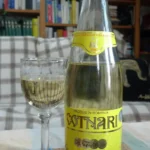
A short clip appeared on a feed recently, about Central European wines in East Asia. Someone in a Seoul kitchen pulled the cork from a bottle of dry Hungarian Furmint. The wine poured clear and bright, and it paired with grilled meat and spicy sides.
The video lasted only seconds, yet it lingered far longer, and not just because it feels quite unusual.
Similar moments surface more often now across social media in East Asia. Posts show Central European bottles beside local dishes, so interest grows quietly. No loud campaigns drive it. Instead, dedicated voices build connections. Last month a short interview appeared, conducted by the Hungarian Wine Marketing Agency with Chan Jun Park, a South Korean wine expert. It’s in Hungarian, but Google Translate does a decent job, if you want to read it.
What caught attention was that Park founded the Institute for Eastern European Wines. A South Korean professional deeply passionate about these wines remains relatively rare, even as South Korea develops a growing affection for Hungarian bottles.
Who Is Chan Jun Park and What Drives the Institute for Eastern European Wines?
Chan Jun Park stands out as one of South Korea’s most respected wine professionals. He serves as Asia director for major competitions, and he judges internationally. He also founded the Institute for Eastern European Wines.
The institute focuses on wines from Hungary, Moldova, Romania, Slovenia, and Georgia. It promotes them through education, while masterclasses take place regularly and social media shares cultural stories.
Park views these wines as more than drinks. They carry heritage, because centuries of tradition shape them. Terroir and family knowledge define their character. In South Korea, consumers seek authenticity, and society respects tradition. This matches perfectly.
Central European wines receive far less hype than Bordeaux or Napa equivalents, yet when it comes to tradition, centuries, sometimes millennia support the region’s character.
Emerging Patterns for Central European Wines in East Asia’s Market
East Asia’s wine market evolves quite steadily in recent years. Reports show growth around 6–7% annually in the Asia-Pacific region, while premium segments expand fastest. In some countries, double-digit yearly growth appears regularly.
South Korea stabilises after earlier booms, so younger drinkers choose quality over quantity. White wines gain ground, and health awareness rises.
China and India drive much of the expansion. Middle classes grow at a considerable pace, disposable incomes increase, and consumers explore beyond classic regions. The wine world remains relatively new to many, so no strong bias favours only Bordeaux or Napa. New stories attract attention.

Traditional East Asian cultures respect history, yet they welcome innovation too. This openness suits Central European diversity, from native varieties to long-evolving styles.
Why Central European Wines in East Asia Feel Like a Natural Fit
Central European producers work with mosaic-like diversity, because hundreds of grape varieties exist, and terroirs vary sharply within short distances. Winemaking history traces back centuries, sometimes millennia.
These elements contrast with mass-produced wines, because authenticity stands out and stories of place and people resonate.
That short clip that started it all, someone in a Seoul kitchen pulling the cork from a dry Hungarian Furmint? Gastronomic matches like this just pop up naturally. Dry Furmint cuts through rich Korean barbecue, as its acidity balances spice and smoke. Tokaji Aszú complements sweet-savory desserts or glazed meats, so layers build harmoniously, even if the idea sounds unusual at first.
Central European Wines in East Asia Today: A Fad or a Growing Trend?
Recent activities show momentum. Wines of Hungary runs multi-year campaigns in South Korea and China, while tastings occur in Seoul and Daejeon. Influencers share pairings, and International Aszú Day activations reach urban consumers.
Chan Jun Park leads masterclasses. He demonstrates pairings live, so posts spread to thousands on social media. Smaller producers benefit too, as they join expos and new bottles reach importers’ lists. Yet one question remains.
When will a similar passionate expert show up in India? In China? In Southeast Asia? When might a winery or distributor partner with local professionals who truly open their cultures to Central European wines, simply by showing that these bottles make a really good choice, maybe for a late-night conversation with friends, or for a romantic dinner with a loved one?
Overproduction at Home vs. Growing Interest in Central European Wines in East Asia
Central European winemakers face familiar challenges. Production often exceeds local demand, so stocks build in some regions while consumption shifts pretty slowly.
On the other side of the world, East Asia hungers for discovery. Billions of potential consumers enter the category, and many start without preconceptions because they seek unique experiences.
The contrast feels striking, surplus in one hemisphere, expanding shelves in another. Connections form gradually.
Small and medium producers notice these signals. No need for massive volumes, because consistent presence matters more and relationships with importers grow over years.
These distant markets move quickly sometimes. A trend catches, a pairing goes viral, and interest spreads organically. Still surprising how fast perspectives shift halfway around the world. Worth watching those quiet bridges form, because they often carry the most lasting traffic.