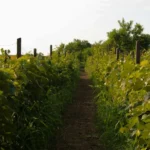
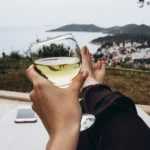
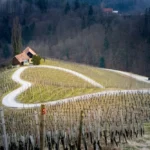
If I made a video about Slovenian wine, the first scene would probably show me standing on a steep green hillside in the Vipava Valley. Mist drifts over the vines. In the distance the Alps rise sharp against the sky while the Adriatic glints far below.
All in one view.
Slovenia is small, and because of this, its wine regions almost touch each other like neighbours. Every corner offers a different style, a different grape, a different story. Would you be surprised if I told you the world starts to notice?
Slovenian bottles appear on more lists, and sommeliers mention names you haven’t heard before. There are no massive, state-sponsored marketing campaigns, and wine influencers aren’t flooding the region to shoot their newest shorts about Slovenian wines.
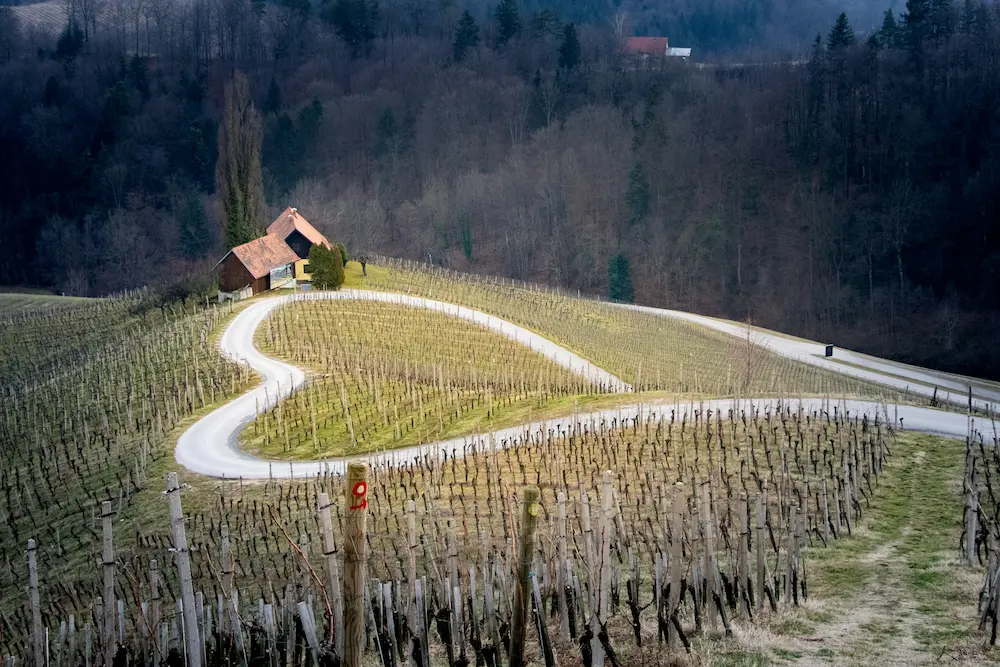
The country stays relatively quiet about it. That makes it perfect for anyone who loves finding nice places before they become overcrowded.
How to Reach Slovenia’s Hidden Wine Regions Without a Car
Ljubljana is your best starting point, but Maribor works well for the east. Both airports connect to vineyards in one to two hours.
Trains and buses run often. Tickets cost little, and in many cases stations offer e-bike rental right on the platform. You land, buy coffee, grab a ticket, and soon you ride between vines.
The experiences change fast too, because one day you hike high trails. The next you relax by the sea. Then you wander small towns with cobblestone streets.
The good news is that wine fits into all of them, as it works well with sea breeze and with watching the sun setting behind the mountains.
Primorska: Slovenian Wine’s Mediterranean Soul in Vipava and Goriška Brda
Primorska feels closest to the sea. Vipava Valley and Goriška Brda sit on rolling hills with Italian villages just over the border.
Rebula and Malvazija grow here. Producers leave grapes on skins for weeks to make orange wine. These taste of apricot skin, salt air, and freedom. You visit small cellars carved into rock or built from old stone, and the owners pour straight from the tank. They talk about wind and soil like old friends, because they are.
Podravje: Cool-Climate Slovenian Wine Classics Around Maribor
East of the country the climate cools a little. Podravje stretches along the Drava river, and Štajerska Slovenija, the Slovenian part of historic Styria, forms its heart. The larger Austrian Styria lies just across the border, sharing similar soils, grape varieties, and a long common cultural history.
You cycle quiet roads between villages, where cellars open on weekends. Families welcome visitors like neighbours. The pace feels slower. The glasses stay full. The life couldn’t be better.
Posavje: The Light and Playful Slovenian Wine Heartland
Southeast Slovenia keeps things easy. Posavje grows lighter reds and rosés. Cviček blends red and white grapes into something pink and fresh, and easy to drink. Quite nice combination, let me say that.
Cellars line riverbanks, and you taste in wooden sheds or under trees, with scenic views.
The wines match long lunches and lazy afternoons. You may have heard about hints of blueberries and smoke, but what about hints of inner peace and happiness? If these things were measurable, the unit would be the wine I’m sure.
The New Wave of Natural Slovenian Wine Across the Country
Young producers push boundaries everywhere, and Slovenian winemakers aren’t an exception either. They work with low intervention, use clay amphorae or old oak. They farm organically or biodynamically, so Slovenia now leads Europe in the share of organic vineyards.
The wines taste alive. Cloudy sometimes. But always honest.
The Young Slovenian Winemakers Shaping 2026
These names gain attention fast:
– Movia (lunar bottling pioneer)
– Kabaj (orange wine master)
– Edi Simčič (elegant classics)
– Marjan Simčič (Brda icon)
– Štok (natural experiments)
Bottles at the cellar door are budget-friendly.
Where to Stay if You Want to Max Out Your Slovenian Wine Adventure
– Primorska: hillside guesthouses in Vipava or Brda from €90
– Podravje: family rooms near Maribor from €80
– Posavje: river-view pensions from €75
– Ljubljana base: modern hostels with easy wine access from €60
All feel local and calm, and why would anyone book a uniform hotel room when you can sleep in a hillside guesthouse where you can drink your morning espresso literally walking among the vines?
Three Ready-to-Copy Itineraries
48-hour Ljubljana-based weekend (Primorska focus)
Friday evening train west (60 min). Check into hillside room. First tastes nearby.
Saturday full day, cellars by e-bike or bus. Picnic lunch. Evening train back.
Sunday recover in Ljubljana cafés.
72-hour Maribor-based long weekend (Podravje focus)
Friday afternoon bus south (90 min). Check into village pension.
Saturday full day, two or three estates by local transport. Overnight in vineyard room.
Sunday slower day with last glasses. Evening bus back.
Weekend in Posavje from Ljubljana
Friday train southeast (2 hours). Check into river pension.
Saturday full Posavje trail, light reds and rosés, and tasty meals.
Sunday morning last tasting, afternoon train back.
Quick-Fire Tips for Your 2026 Slovenian Wine Trip
Go in May–June or September–October for warm days and quiet trails.
September brings small harvest festivals in many villages.
Carry cash. Small cellars often prefer it.
One more thing
Most travellers come for lakes, mountains or cities, and Slovenia keeps its wine stories gentle. But the country now offers vineyards, enjoyable bottles, and open cellars that bring the vibe.
Come and explore Slovenian wine secrets for yourself in 2026. You won’t regret!